Quality Control
Quality Control in Civil Engineering – Practical Testing, Inspection, Standards, and Site Knowledge
Quality control in civil engineering is a crucial process that helps maintain the quality of construction materials, workmanship, and construction activities in accordance with specified requirements and applicable standards. The strength, durability, safety, and long-term performance of any building, road, bridge, culvert, or infrastructure project depend not only on good design, but also on the quality of materials, proper testing, correct construction procedures, and regular site inspections. The Quality Control section of CivilGuruHub helps students, site engineers, quality engineers, supervisors, and construction professionals understand important concepts of quality control in a practical and easy-to-understand way.
This section explains the important materials used in civil engineering construction and their testing methods from a practical perspective. Topics such as basic properties of cement, concrete, aggregates, soil, steel and other construction materials, laboratory tests, field tests, testing procedures, calculations, acceptance requirements and common site mistakes are systematically covered. Where relevant, applicable IS codes, IRC references, testing standards and project specifications are also discussed so that readers can understand the actual site application along with theoretical knowledge.
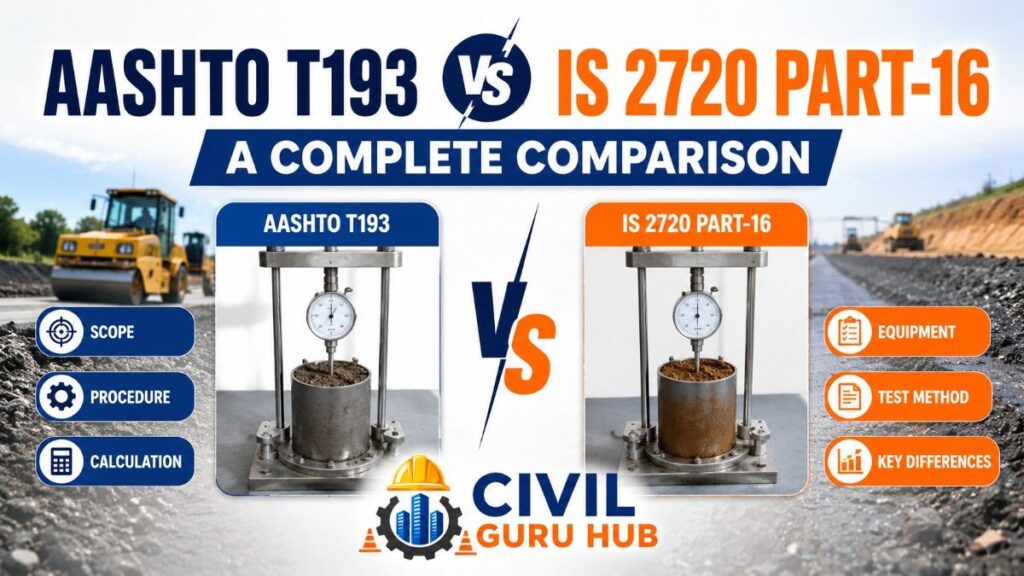
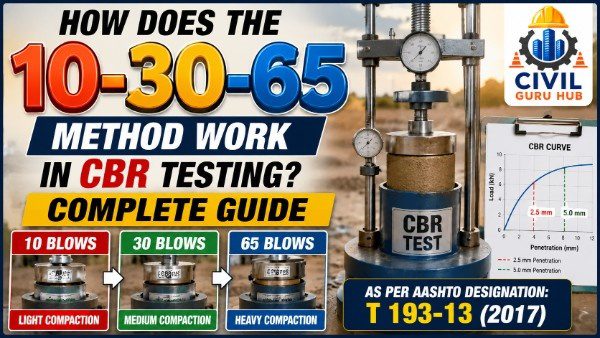
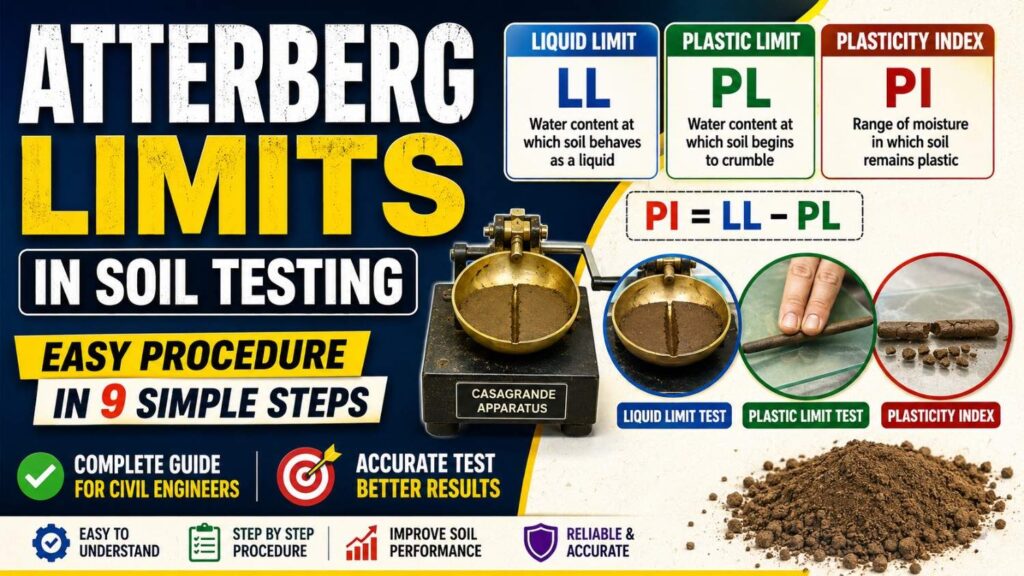
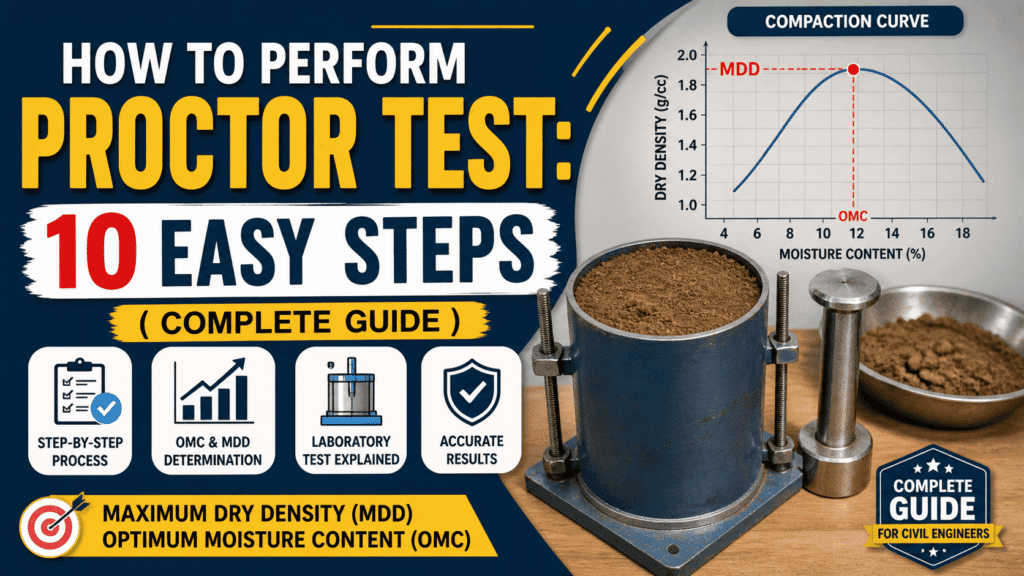
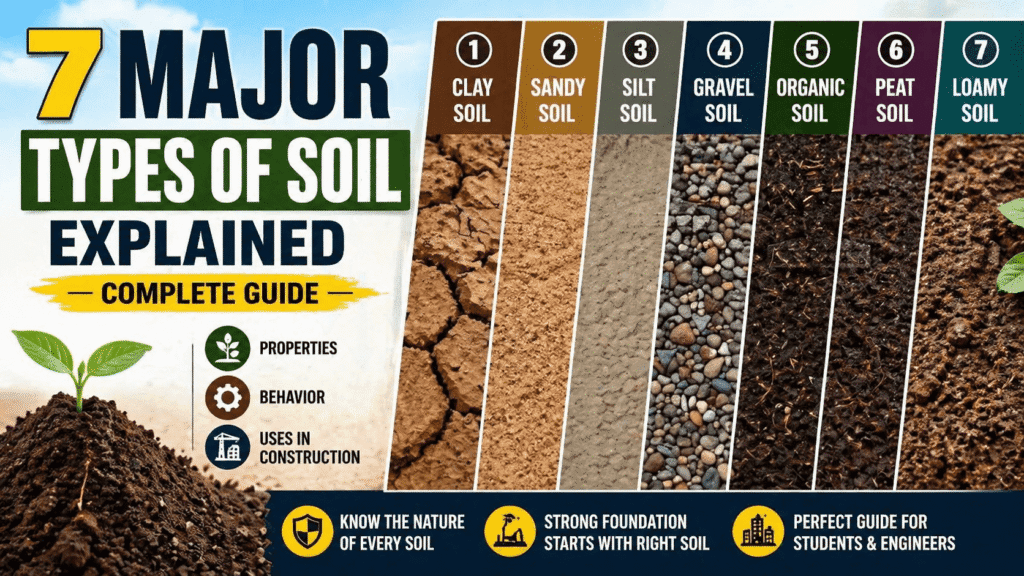
Soil testing is an important part of Quality Control as the performance of foundation, embankment, pavement and other earthwork activities depends heavily on soil properties. In this category, topics such as soil classification, Atterberg Limits, Proctor Compaction Test, California Bearing Ratio or CBR Test, Grain Size Analysis, Field Density Test and related soil testing concepts can be explained with practical examples. Technical topics such as comparison of different CBR testing methods and standards also help engineers better understand laboratory procedures and standard requirements.
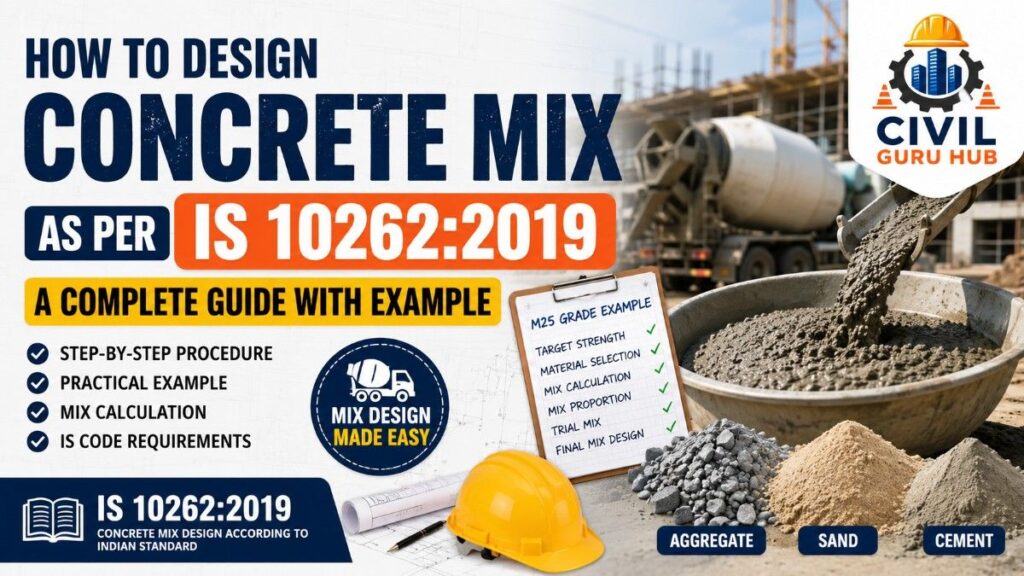
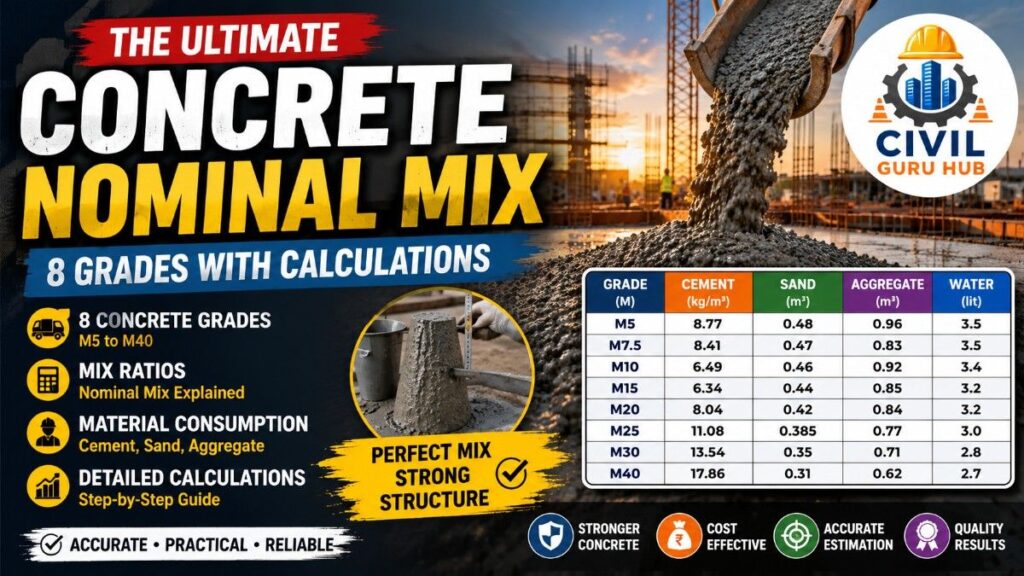
Concrete quality control is also a major component of construction projects. Ensuring concrete quality requires proper control at every stage of mix proportioning, material selection, batching, mixing, transportation, placing, compaction, and curing. This section explains concrete mix design, nominal mix, concrete grades, water-cement ratio, workability, concrete testing, and quality-related practical issues in simple language. References to relevant standards such as IS 10262 can be used to illustrate the concepts of mix design and concrete quality through practical examples.
Along with material testing, field quality control is also crucial to the success of a construction project. The engineer on site must continuously monitor factors such as material approval, test reports, sampling, testing frequency, layer thickness, compaction, levels, alignment, reinforcement placement, concrete workability, curing, and workmanship. Simply passing laboratory tests is not sufficient; the actual construction process must also be executed in accordance with approved drawings, specifications, method statements, and applicable standards.
Understanding quality control and quality assurance is also important for construction professionals. Quality control primarily relates to inspection, testing, measurement, and verification activities, while quality assurance is a broader system that establishes processes and procedures to ensure that required quality is consistently achieved. Inspection plans, test reports, material approvals, checklists, non-conformance identification, corrective actions, and documentation are important parts of a quality management system in a construction project.
This section of CivilGuruHub is not limited to laboratory testing. Its objective is also to explain practical site problems and quality-related engineering decisions. Issues such as poor compaction, unsuitable material, incorrect water content, improper curing, inadequate testing, wrong sampling, incorrect mix proportion, insufficient inspection, and poor workmanship can negatively affect construction quality. Understanding the causes, effects, identification methods, and possible corrective approaches of these problems is very useful for civil engineers.
Quality control plays a crucial role in highway and pavement construction. From the soil subgrade to granular layers and bituminous pavement, the material quality, gradation, moisture content, density, thickness, and workmanship of every layer must be controlled in accordance with specified requirements. Tests such as CBR, field density, aggregate testing, and other pavement-related assessments are vital for verifying the quality of road construction. Therefore, concepts related to quality control can be highly beneficial for highway engineers and site quality engineers alike.
For civil engineering students, this category helps bridge the gap between laboratory tests, quality management concepts, and practical site activities. An effective learning approach involves first understanding construction materials and their fundamental properties, followed by a systematic study of laboratory testing methods, field testing, calculations, acceptance criteria, quality documentation, and site inspections. This enables students to grasp not just the test procedures or formulas, but also the purpose of specific tests and their practical significance in a construction project.
A practical inspection approach is equally important for site engineers and quality control engineers. Key components of the quality control process include verifying drawings and specifications before approving any site activity, checking test certificates for required materials, conducting proper sampling, recording field measurements, verifying laboratory results, and identifying non-conforming work. Since actual project requirements can vary, it is essential to adhere to project specifications and approved quality plans in conjunction with applicable standards.
Technical articles on quality control may reference IS codes and other applicable standards relevant to the specific topic. Examples include using IS 10262 for concrete mix design, the IS 516 series for concrete testing, the IS 2720 series for soil testing, and other relevant Indian Standards for construction materials. For highway-related testing, relevant IRC and MoRTH requirements are also significant. During actual project execution, one must always verify the latest applicable editions, contract specifications, approved drawings, and project-specific requirements. The primary objective of CivilGuruHub’s Quality Control section is to help civil engineering students and professionals understand the interconnections between testing, inspection, quality management, and construction practices. The technical guides provided here aim to explain concepts in a simple and practical manner, enabling readers to integrate knowledge gained in the laboratory, classroom, and construction site.
If you are a civil engineering student, you can begin with material testing and basic quality control concepts before progressing to advanced practical topics such as soil testing, concrete testing, mix design, field testing, quality assurance, and site inspection. For site engineers and quality professionals, focusing on testing procedures, acceptance criteria, inspection practices, documentation, and common construction quality issues can prove valuable in enhancing practical knowledge.
The effective implementation of quality control in civil engineering plays a crucial role in enhancing the reliability, durability, safety, and overall performance of construction projects. Therefore, merely completing the work is not enough; it is equally important to execute the work in accordance with approved drawings, specifications, required testing procedures, applicable standards, and acceptable workmanship.