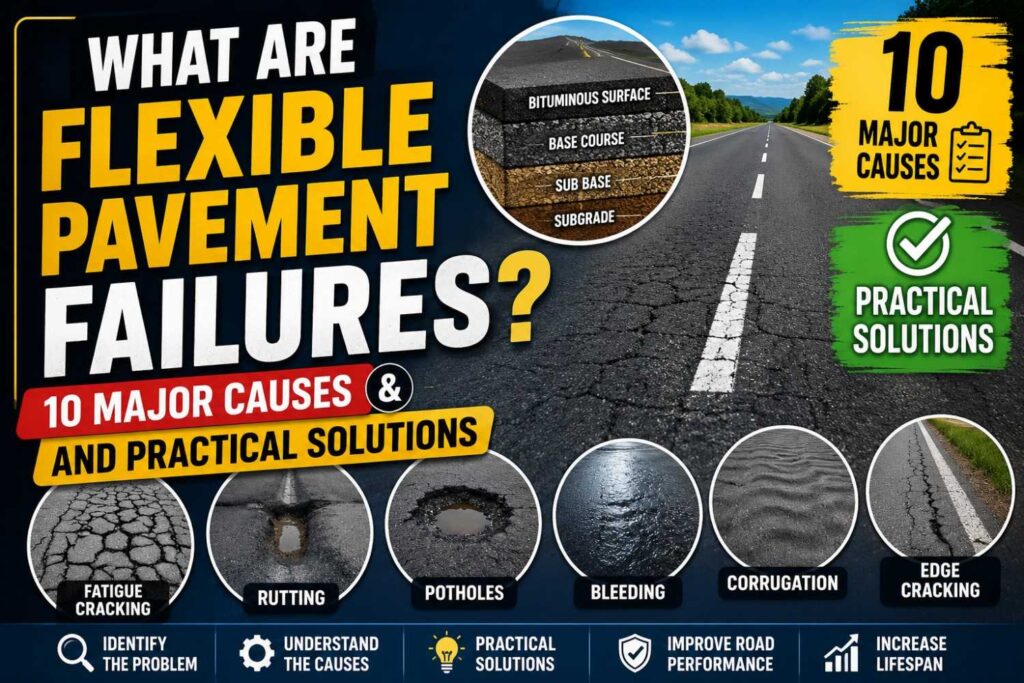
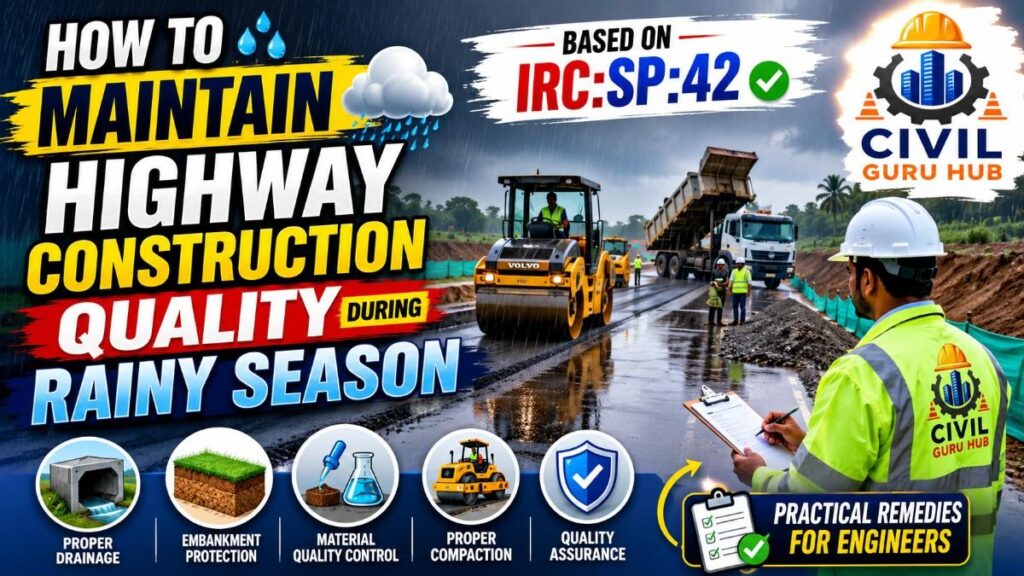
How to Maintain Highway construction Quality During Rainy Season
How to Maintain Highway construction Quality During Rainy Season Read More »
HighwayHighway Engineering – Practical Road Construction, Pavement, IRC Standards & Site Guides
Welcome to the Highway Engineering section of CivilGuruHub, a practical learning resource for civil engineering students, site engineers, supervisors, contractors and construction professionals who want to understand road and highway engineering concepts in a simple and practical way.
Highway engineering covers the planning, design, construction, testing, maintenance and management of roads and transportation infrastructure. A good understanding of highway engineering is essential for engineers involved in road construction, pavement works, drainage, traffic facilities, quality control and highway maintenance.
This section of CivilGuruHub focuses on connecting highway engineering theory with practical site applications. The articles explain important concepts, construction procedures, pavement materials, testing methods, quality control requirements, common site problems and relevant Indian standards and specifications wherever applicable.
Learn about different stages of road construction, from earthwork and subgrade preparation to granular layers, bituminous works and finishing activities.
Topics include:
Flexible pavements are widely used for highways and roads in India. This section covers the basic concepts and practical aspects of flexible pavement construction and maintenance.
Topics may include:
Learn the basic principles and construction practices associated with concrete pavements.
Important topics include:
Bituminous works require proper control of materials, temperature, layer thickness, compaction and workmanship.
You can learn about:
Proper drainage is essential for protecting pavement and maintaining the long-term performance of roads.
This section covers topics related to:
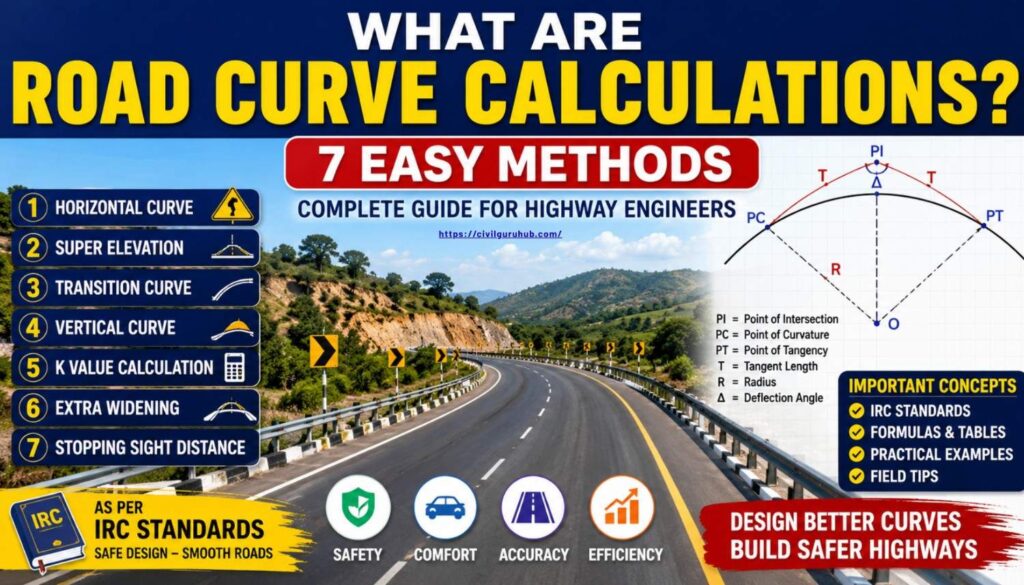
Highway geometry directly affects road safety, vehicle operation and driving comfort.
Important concepts include:
Quality testing is an important part of highway construction. Proper testing helps engineers verify the quality and performance of pavement materials and constructed layers.
Topics may include:
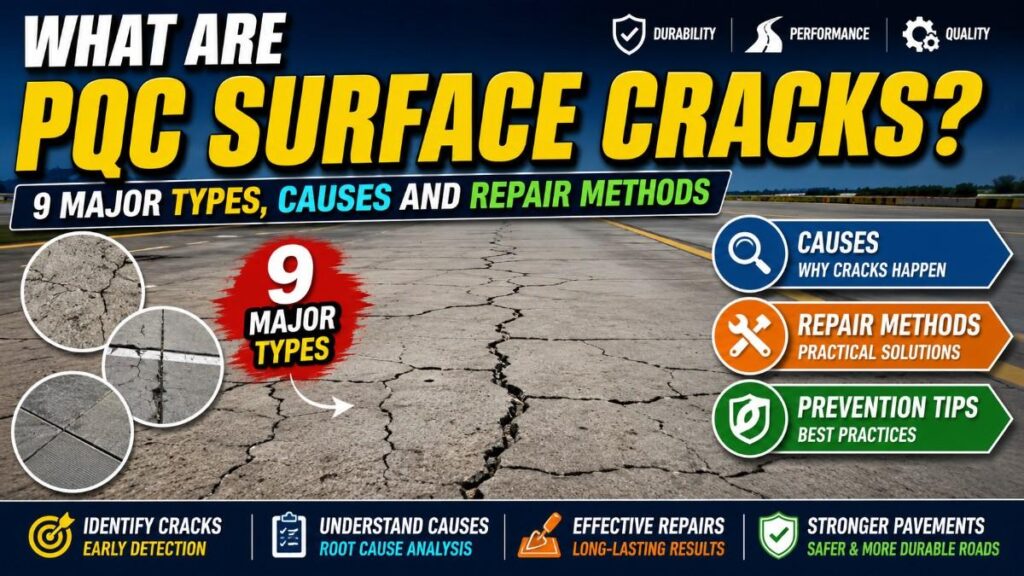
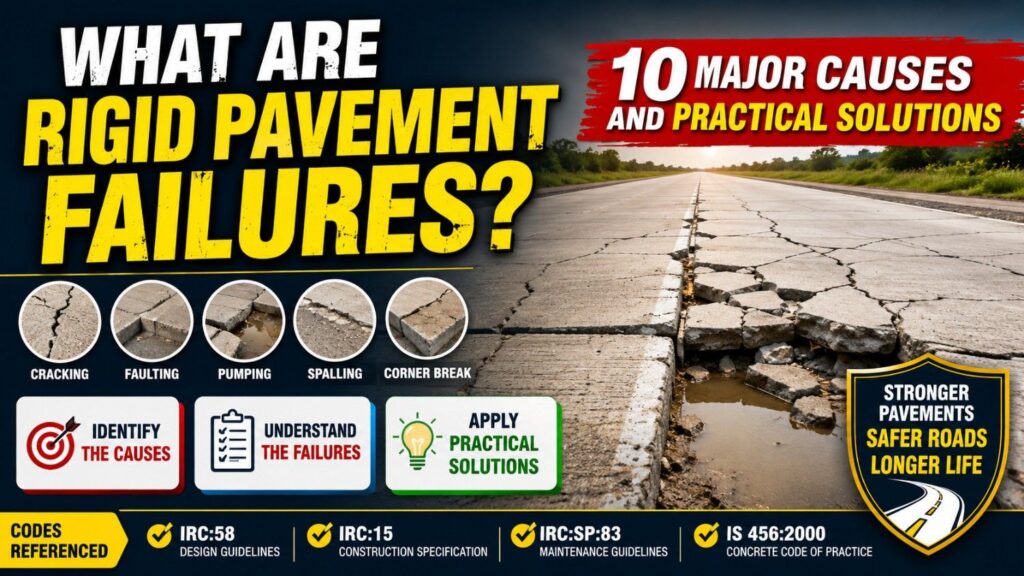
Highway engineers need to identify pavement defects and understand their causes before selecting suitable maintenance measures.
Common topics include:
Highway engineering projects in India commonly use Indian Roads Congress publications, Ministry of Road Transport and Highways specifications, Indian Standards and project-specific technical specifications.
Depending on the topic, articles on CivilGuruHub may refer to relevant documents such as:
The applicable code, specification and edition should always be verified according to the requirements of the particular project.
Highway construction involves many activities that require continuous field inspection and quality control.
Important site checks may include:
Project drawings, specifications, approved method statements and applicable standards should always be followed during actual construction.
If you are a civil engineering student, a systematic approach can make highway engineering easier to understand.
A useful learning sequence is:
Highway Basics → Road Materials → Soil & Subgrade → Pavement Layers → Flexible Pavement → Rigid Pavement → Geometric Design → Drainage → Pavement Testing → Construction → Quality Control → Maintenance
This approach helps connect theoretical concepts with actual road construction activities.
CivilGuruHub aims to provide practical civil engineering knowledge rather than only textbook definitions.
Highway engineering resources may include:
The objective is to help readers understand why a particular highway engineering practice is required, how it is carried out and what common mistakes should be avoided.
Highway engineering is a branch of transportation and civil engineering concerned with the planning, design, construction, operation, maintenance and improvement of roads and highways.
This category covers road construction, pavement engineering, bituminous works, drainage, geometric design, pavement testing, quality control, road defects, maintenance and relevant technical standards.
Yes. The articles are designed to explain highway engineering concepts in a practical and easy-to-understand manner and can be useful for students as well as working professionals.
Yes. Several topics focus on construction procedures, quality control, testing, pavement defects, drainage and practical site inspection.
Depending on the subject, articles may refer to applicable IRC publications, MoRTH specifications and Indian Standards. Always verify the latest applicable edition and project requirements before using a standard for actual work.
The information is intended for educational and technical reference. Actual highway design and construction should be carried out using approved project drawings, specifications, applicable standards and the guidance of qualified professionals.