
Last Updated: May 2026
Table of Contents
Introduction
In this era of rapidly accelerating infrastructure development, sustainable construction has evolved from being merely an option into an absolute necessity. Due to increasing traffic loads, urban expansion, and mounting pressure on natural resources, traditional road construction methods are exerting a significant impact on the environment. The concept of “Green Roads” emerges as a solution to this very challenge, seamlessly integrating modern highway engineering with the principles of sustainability.
In today’s world, simply building robust roads is no longer sufficient; it is imperative to construct roads that deliver long-term performance while minimizing their negative environmental footprint. For this very reason, Green Roads are rapidly gaining popularity within the highway engineering industry. The primary objective of sustainable road infrastructure extends beyond merely reducing construction costs; it also encompasses enhancing energy efficiency, curbing carbon emissions, and conserving natural resources.
Many people mistakenly believe that Green Roads simply entail roadside landscaping or creating greenery; however, the reality is far more comprehensive. Green Roads represent an integrated approach encompassing planning, pavement design, material selection, drainage management, the utilization of recycled resources, construction technology, and maintenance practices.
The role of Green Roads becomes even more critical within modern transportation infrastructure, as sustainable pavements offer superior durability, lower maintenance costs, and enhanced riding quality. Through this approach, the construction industry can successfully achieve a harmonious balance between environmental responsibility and economic efficiency.
In this detailed guide, we will explore the 10 key secrets that render Green Roads truly sustainable, and examine how these engineering practices have the potential to completely transform the landscape of future infrastructure development.
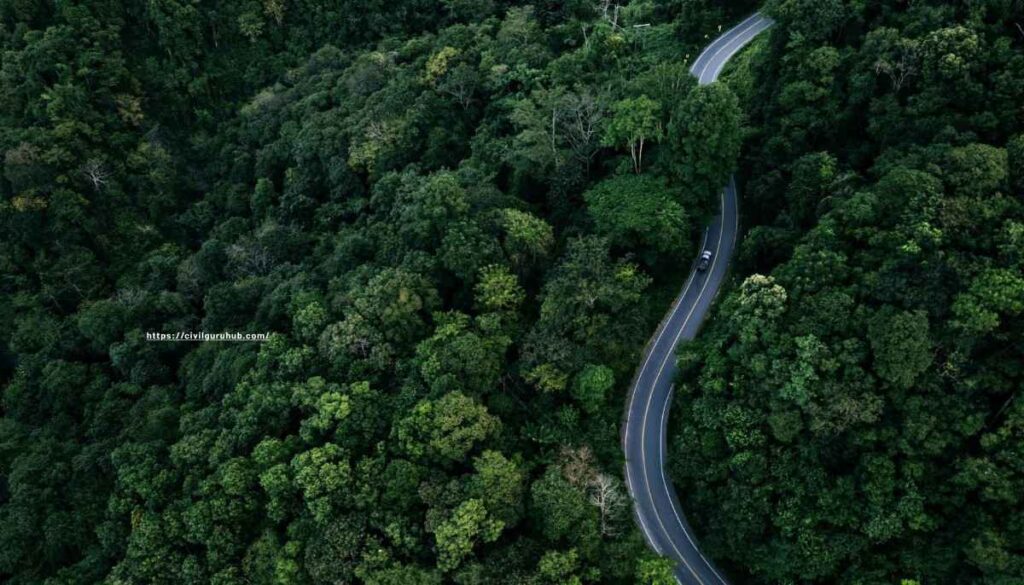
Secret 1: Sustainable Planning and Route Selection are the Foundation of Green Roads
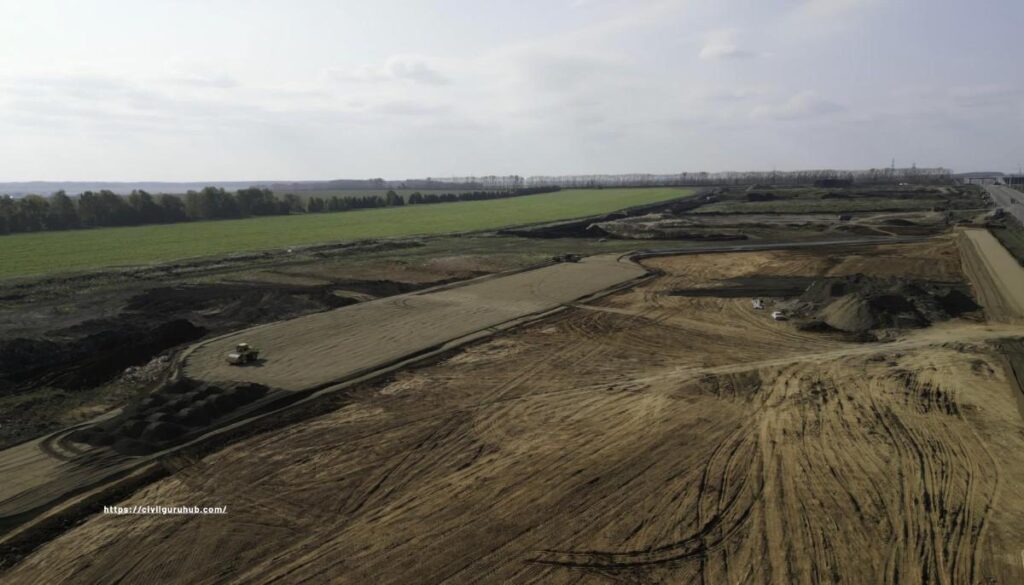
The success of any sustainable road project is decided not at the construction site, but at the planning table. This is the reason why sustainable planning and smart route selection are considered the most important and foundational secret of Green Roads. If wrong decisions are taken in the initial planning phase, it may be difficult to achieve the desired sustainability results even after using advanced materials or expensive technologies in later stages.
The primary objective of engineers in the planning stage is not just to build the shortest route, but to choose an alignment that minimizes environmental disturbance and improves long-term performance. It is this approach that makes Green Roads look different from traditional road projects.
Once road alignment is selected, multiple engineering and environmental parameters are evaluated. Factors like terrain analysis, soil investigation, drainage pattern assessment, vegetation mapping and traffic forecasting directly influence project sustainability. If road alignment unnecessarily cuts mountains, destroys dense vegetation areas or crosses wetlands, ecological damage could increase significantly.
Major Planning Parameters Considered During Sustainable Road Planning
| Planning Parameter | Purpose | Sustainability Benefit |
|---|---|---|
| Terrain Analysis | Select economical alignment | Reduced excavation work |
| Natural Drainage Study | Prevent water blockage | Better water conservation |
| Soil Investigation | Ensure stable foundation | Lower maintenance requirements |
| Traffic Assessment | Predict future demand | Reduced congestion and emissions |
| Vegetation Mapping | Minimize ecological disturbance | Protect biodiversity |
Proper planning reduces earthwork quantity significantly. Less excavation directly means lower fuel consumption, fewer construction vehicles movement and reduced carbon emissions. For this reason, Green Roads projects start carbon footprint reduction at the planning stage.
Another important aspect is future expansion consideration. If planners ignore future traffic growth, there may be a need for reconstruction after a few years, which consumes additional materials, energy and resources. Sustainable planning avoids this unnecessary reconstruction cycle.
Sustainability Benefits of Smart Route Selection
| Planning Decision | Sustainability Outcome |
|---|---|
| Shorter Alignment | Lower emissions and fuel use |
| Minimum Hill Cutting | Reduced environmental damage |
| Existing Corridor Usage | Less land acquisition |
| Drainage Protection | Improved water conservation |
| Balanced Earthwork | Lower construction cost |
Economic sustainability is also a hidden benefit of smart alignment selection. When excavation, embankment, and hauling distances are minimized, the overall project cost remains under control. For this reason, the “Green Roads” approach is considered beneficial from both environmental and economic perspectives.
Ultimately, the true foundation of sustainable infrastructure is established during the planning phase itself; construction serves merely as the execution process. If the planning is scientifically optimized, Green Roads can deliver long-term durability, lower maintenance costs, and superior environmental performance. Consequently, experts often maintain that a significant portion of the sustainability of successful Green Roads is determined during the alignment and planning phases.
Secret 2: Maximizing the Use of Recycled Materials Makes Green Roads Environmentally Friendly
The greatest challenge in modern infrastructure development is adopting sustainable construction practices. Traditional road construction involves the use of vast quantities of natural aggregates, stone materials, and virgin resources, which leads to increased mining activities and heightened environmental damage. To address this very problem, Green Roads make extensive use of recycled materials.
The concept of recycled materials is not limited merely to waste management; rather, it supports a circular economy model wherein existing materials are brought back into productive use. Thanks to this approach, Green Roads conserve natural resources and significantly reduce the environmental footprint of the construction industry.
Common Recycled Materials Used in Green Roads
| Material | Major Usage |
|---|---|
| RAP (Reclaimed Asphalt Pavement) | Bituminous Layer |
| Fly Ash | Embankment Construction |
| Plastic Waste | Bituminous Mix |
| C&D Waste | Subbase Layer |
| Slag | Aggregate Replacement |
Adopting recycled materials offers multiple benefits to construction projects. The primary advantage is resource conservation, as the dependency on virgin materials is reduced. The second major benefit is a reduction in transportation costs, as locally available recycled materials minimize haul distances. Furthermore, waste disposal issues are mitigated, and the pressure on landfills is alleviated.
The use of plastic-modified bitumen in Green Roads projects has proven successful in numerous highway projects across India. This technology not only enhances the durability of roads but also supports the effective management of plastic waste.
However, simply using recycled materials is not sufficient. To ensure the long-term performance of Green Roads, rigorous testing is absolutely essential.
| Test | Purpose |
|---|---|
| Gradation Test | Particle Distribution Analysis |
| Stability Test | Strength Evaluation |
| Density Test | Compaction Verification |
| Durability Test | Long-Term Performance |
Proper testing and quality control ensure that Green Roads remain structurally sound while also being sustainable. Thanks to this circular economy approach to materials, Green Roads are becoming an integral part of future infrastructure development.
If you conduct laboratory testing or on-site material checks, the tools listed below may prove practically useful.
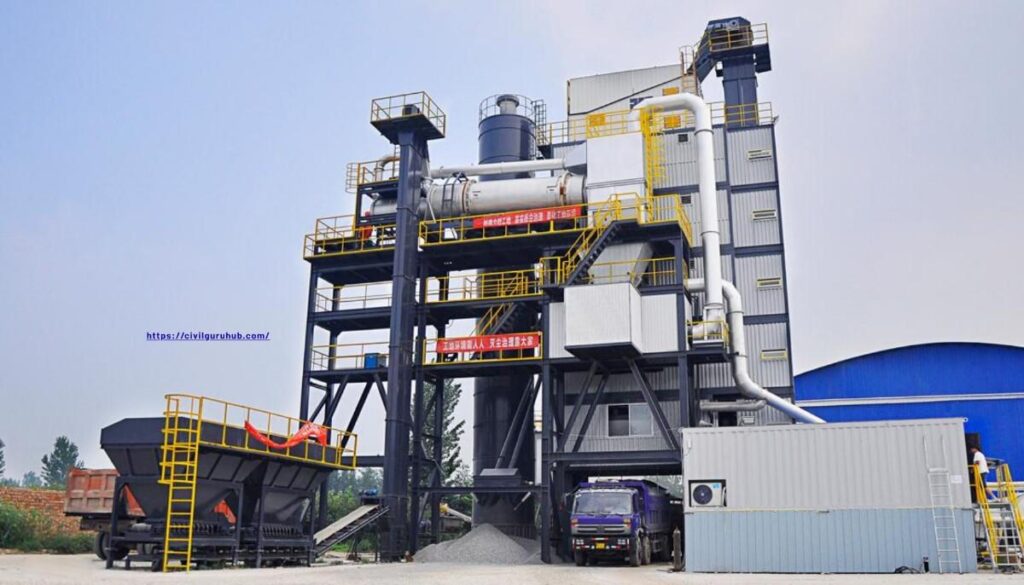
Secret 3: Energy-Efficient Construction Processes Enhance Sustainability
Whenever the topic of sustainable infrastructure arises, people often focus solely on materials or landscaping. However, the reality is that the construction process itself has a profound impact on sustainability. For this very reason, energy-efficient construction practices are accorded major importance within the “Green Roads” concept.
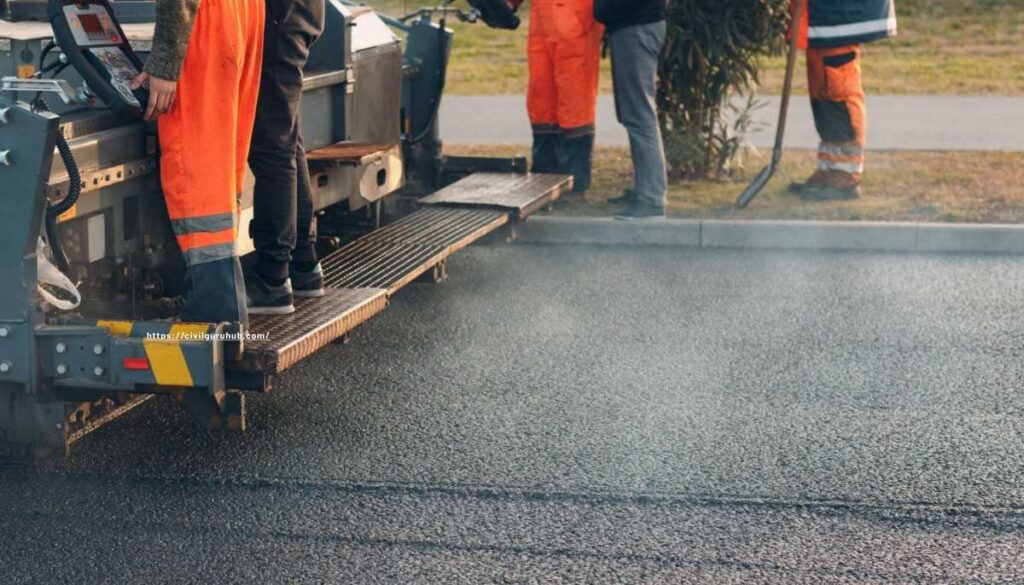
Road construction activities inherently consume high levels of energy, as multiple pieces of heavy machinery operate continuously throughout the construction phase. Pavers, rollers, excavators, batching plants, and hauling vehicles consume vast quantities of fuel, thereby generating direct carbon emissions. If the construction process is inefficient, achieving sustainability goals becomes a difficult task.
To address this challenge, the Green Roads construction methodology adopts an energy optimization approach. This involves engineers implementing efficient equipment scheduling to minimize fuel consumption and ensure that machinery does not remain idle unnecessarily. Maintaining short haul distances is also crucial, as transportation-related fuel consumption significantly contributes to the overall emissions footprint of a project.
A major innovation being extensively adopted in Green Roads projects is Warm Mix Technology. Traditional asphalt production typically takes place at higher temperatures, resulting in higher fuel requirements. Warm Mix technologies, conversely, enable production at comparatively lower temperatures, thereby facilitating direct energy savings.
| Process | Typical Production Temperature | Energy Consumption |
|---|---|---|
| Conventional Hot Mix Asphalt (HMA) | 150–170°C | High |
| Warm Mix Asphalt (WMA) | 110–140°C | Lower |
| Cold Recycling | Ambient Temperature | Lowest |
The direct benefits of lower-temperature production manifest in the form of fuel savings, reduced greenhouse gas emissions, and enhanced worker safety. It is for these reasons that modern Green Roads projects are rapidly adopting Warm Mix and recycling techniques.
Ultimately, sustainable infrastructure is not built on materials alone. Efficient planning, optimized equipment utilization, and energy-saving construction methods are the elements that truly render Green Roads sustainable. Construction efficiency directly improves environmental performance, thereby laying the foundation for long-term sustainability.
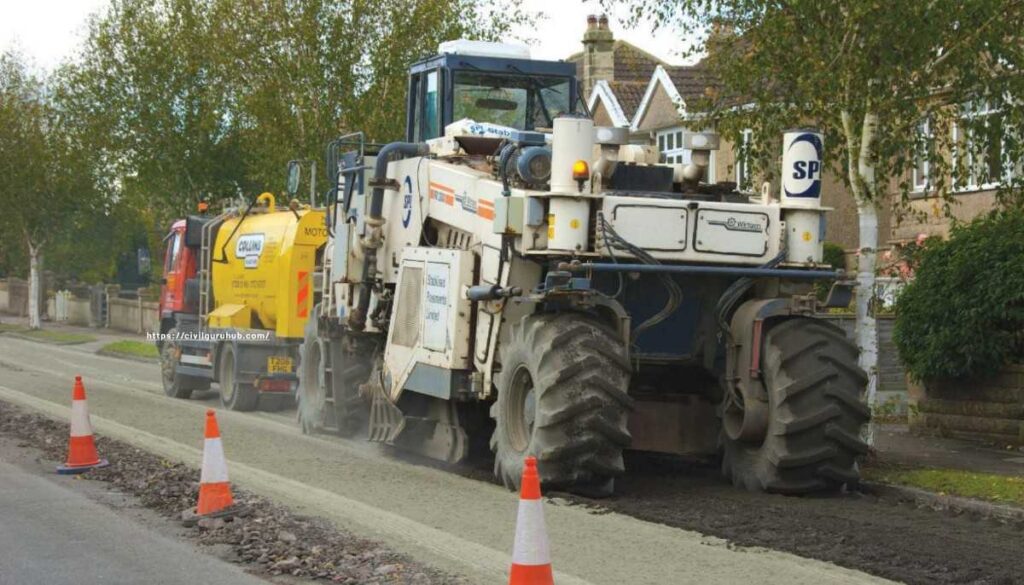
Secret 4: Proper Drainage Design Extends the Lifespan of Green Roads
The durability of any road depends not solely on strong materials, but equally on effective water management. A common adage in road engineering states: “Water is the enemy of roads.” This statement becomes particularly significant in the context of Green Roads, as the primary objective of sustainable infrastructure is to ensure a long service life with minimal maintenance.
When water begins to accumulate either within the road structure or on its surface, the pavement layers gradually begin to weaken. Excess moisture softens the subgrade, leading to the development of problems such as rutting, cracking, and settlement. For this very reason, modern Green Road projects prioritize drainage systems right from the design phase.
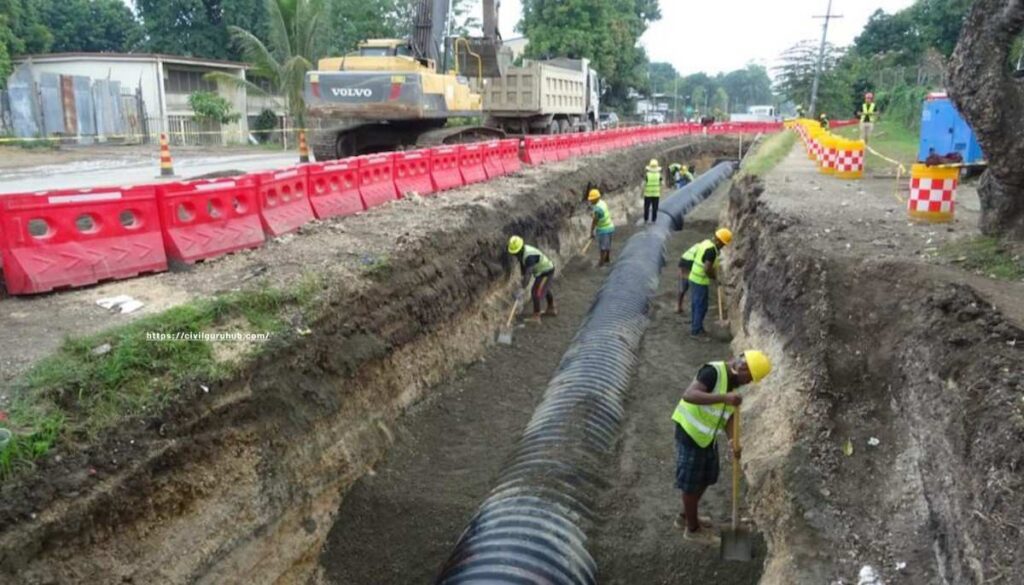
The drainage components listed below play a major role in maintaining road sustainability:
| Drainage Component | Function |
|---|---|
| Side Drain | Removes surface runoff water from pavement edges |
| Cross Drainage | Allows water passage beneath or across roads |
| Subsurface Drain | Controls groundwater and moisture accumulation |
| Shoulder Drainage | Protects pavement edges from erosion and weakening |
Proper drainage directly improves pavement performance. When water is removed quickly, the pavement layers remain dry and stable. This reduces unnecessary stress on the road structure and lowers the frequency of repairs.
The consequences of poor drainage can be quite serious:
| Poor Drainage Impact | Result |
|---|---|
| Water Stagnation | Accelerated pavement deterioration |
| Weak Subgrade | Settlement and deformation |
| Increased Repairs | Higher maintenance cost |
| Reduced Lifespan | Early reconstruction requirement |
The sustainable concept behind Green Roads is not limited merely to the use of eco-friendly materials; efficient drainage is also a crucial pillar of sustainability. When roads remain functional for extended periods, the need for reconstruction decreases, resources are conserved, and the carbon footprint is reduced.
Therefore, properly designed drainage systems play a critical role in making Green Roads stronger, longer-lasting, and more sustainable. Ultimately, long-lasting Green Roads deliver lower maintenance requirements and superior lifecycle performance.
For drainage inspections and field measurements, engineers generally use the following types of equipment.
To know more about highway, Click on given link and read the articles.
What Are Road Curve Calculation? 7 Easy Methods
How to Calculate Camber Tolerance in Road Construction Step by Step
How Do GSB and WMM Differ? 10 important Facts for Highway Construction
Secret 5: Permeable Systems Enhance Water Conservation
In today’s era, infrastructure development is no longer limited merely to the construction of sturdy roads; rather, water conservation and environmental sustainability have become equally important priorities. The primary drawback of traditional roads is that they cause rainwater to become direct runoff, thereby reducing groundwater recharge and increasing the risk of flooding. To address this very issue, “Green Roads” utilize permeable systems that significantly enhance water management.
The primary objective of Green Roads is not solely to facilitate transportation, but also to conserve natural resources. Consequently, modern sustainable road systems are integrating features such as permeable shoulders, recharge trenches, rainwater harvesting structures, and infiltration systems. When rainwater accumulates on the surface, these systems facilitate its infiltration into the ground rather than allowing it to discharge directly into drainage channels.
Permeable shoulders play a particularly crucial role, as they mitigate water accumulation along the roadside and enhance water infiltration. Similarly, recharge trenches aid in maintaining the groundwater table by storing rainwater. These features render Green Roads significantly superior to conventional pavements.
Beyond water conservation, Green Roads also make a major contribution to flood mitigation. In urban areas, excessive runoff places immense pressure on drainage systems; however, efficient infiltration systems effectively reduce the volume of runoff. This, in turn, minimizes soil erosion and provides protection to the surrounding ecosystem.
Another significant advantage is that Green Roads assist in mitigating the “urban heat island effect.” Enhanced moisture retention and the support provided for vegetation help maintain surface temperatures at comparatively lower levels.
From a long-term perspective, effective drainage systems directly bolster the sustainability of roads. When the pavement structure is shielded from water damage, the frequency of reconstruction is significantly reduced. For this very reason, Green Roads have emerged as an essential component of future infrastructure sustainability.
Secret 6: Long-Life Pavement Design is a Core Principle of Green Roads
If a road requires repeated repairs or reconstruction, it cannot be considered sustainable. The primary objective of sustainable infrastructure is to utilize resources efficiently and minimize maintenance requirements. A major principle of Green Roads is grounded in this very philosophy—long-life pavement design.
The most significant drawback of traditional, short-life pavements is that they require repeated overlays, repairs, or reconstruction. Each reconstruction cycle consumes additional raw materials, necessitates the use of heavy machinery, burns fuel, and generates additional emissions through construction activities. For this very reason, Green Roads prioritize a long service life.
Long-life pavement design entails more than simply constructing a thicker pavement. Its actual objective is to create a pavement structure capable of efficiently withstanding future traffic loads, environmental conditions, and material deterioration. When Green Roads are designed, multiple parameters are carefully evaluated.
Traffic forecasting is one of the most critical factors, as the anticipated vehicle load determines the required pavement thickness. Soil strength influences foundation stability; therefore, a thorough subgrade investigation is of paramount importance. Climatic conditions impact material selection, as varying environmental conditions demand distinct performance characteristics. Similarly, the drainage system directly influences the pavement’s durability.
Proper drainage is considered a particularly critical component for Green Roads, as water infiltration is a leading cause of pavement failure. By minimizing water infiltration, instances of cracking, rutting, and structural failure are significantly reduced.
When Green Roads are designed for a long service life, the frequency of maintenance decreases, reconstruction cycles become less frequent, and lifecycle emissions are significantly reduced. Consequently, Green Roads treat durability as a direct multiplier in their efforts to enhance overall sustainability.
Secret 7: Vegetation and Green Infrastructure Maintain Environmental Balance
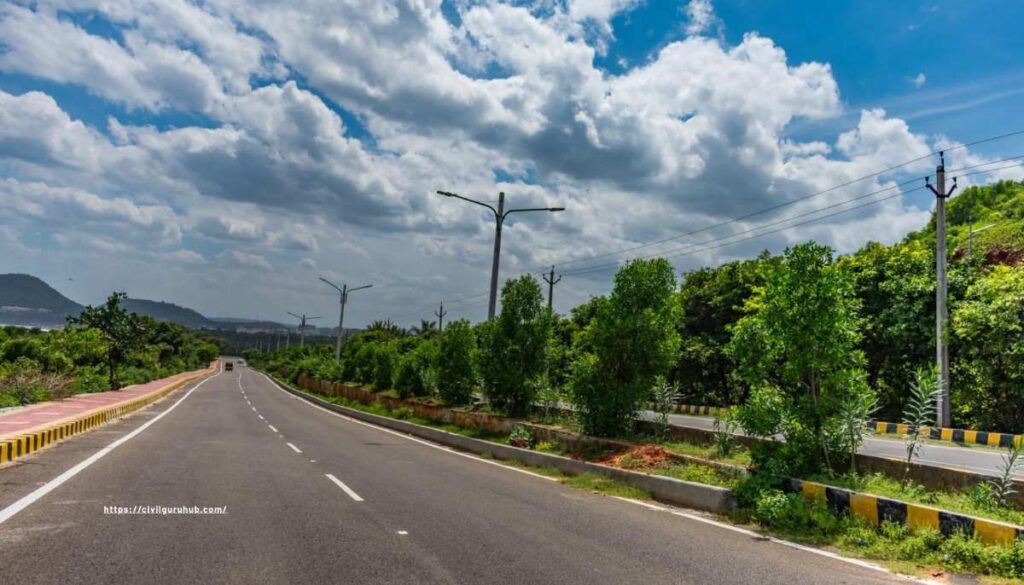
When we discuss Green Roads, the focus often rests solely on pavement materials, recycled aggregates, or construction technology. However, the reality is that sustainable transportation infrastructure is not limited merely to the road surface. The greenery surrounding the road, plantation planning, and environmental infrastructure are equally vital. For this very reason, vegetation and green infrastructure are integrated into modern Green Roads projects right from the design phase.
Roadside planting is considered one of the most effective methods for maintaining environmental balance. Properly planned trees and shrubs render road corridors naturally sustainable. Vegetation absorbs sunlight, reduces dust particles, and assists in regulating the ambient temperature. Thanks to this approach, Green Roads prove highly effective in minimizing the “urban heat island” effect.
Bio-swales are another crucial component of sustainable road infrastructure. These are specially designed vegetated channels that filter stormwater runoff and enhance water infiltration. During periods of heavy rainfall, they help control water accumulation and prevent erosion. Similarly, green buffers and median vegetation create an ecological separation within traffic corridors.
Another major benefit of vegetation is noise reduction. Dense planting absorbs traffic noise, thereby mitigating the impact of traffic on nearby residential areas. Furthermore, trees contribute to air purification by capturing airborne pollutants. For this reason, properly designed Green Roads support public health alongside environmental sustainability.
However, simply planting vegetation is not sufficient. Regular trimming, irrigation, replacement planting, and general maintenance are equally important. Long-term sustainability is achievable only when vegetation management is prioritized alongside the physical Green Roads infrastructure. It is properly maintained greenery that truly makes Green Roads sustainable and environmentally balanced.
Secret 8: A Smart Maintenance Strategy Makes Green Roads Sustainable
Road construction is not merely a one-time undertaking; rather, its long-term performance and sustainability depend largely on the maintenance strategy employed. Many roads deteriorate prematurely because maintenance is deferred until the damage has already become severe. For this reason, the Green Roads concept views maintenance not merely as a repair process, but as a fundamental sustainability strategy.
In traditional road management, reactive maintenance is the norm. Under this approach, repairs are undertaken only after cracks, potholes, or drainage failures have already occurred. This process is not only expensive but also leads to increased consumption of raw materials, fuel, and machinery usage. In contrast, Green Roads adhere to a philosophy of preventive maintenance, wherein problems are identified at their incipient stages and addressed immediately.
Maintenance Strategy and Sustainability Level
| Maintenance Strategy | Sustainability Level | Characteristics |
|---|---|---|
| Preventive Maintenance | High | Early repairs, lower resource consumption |
| Routine Maintenance | Medium | Regular inspections and minor corrections |
| Reconstruction | Low | High material use and larger environmental impact |
The primary objective of smart maintenance planning is to maximize the lifespan of the road. When regular inspections are conducted on Green Roads, minor defects are prevented from escalating into major structural failures. This results in reduced lifecycle costs and a significantly lower environmental footprint.
Common Maintenance Activities Used in Green Roads
| Maintenance Activity | Purpose | Sustainability Benefit |
|---|---|---|
| Crack Sealing | Prevent water penetration | Extends pavement life |
| Drain Cleaning | Maintain proper drainage | Reduces structural damage |
| Shoulder Repair | Preserve edge stability | Prevents pavement failure |
| Surface Treatment | Improve surface condition | Reduces major rehabilitation needs |
In Green Roads maintenance programs, crack sealing is of paramount importance, as small cracks can serve as the primary source of future potholes. Proper drainage cleaning is equally critical, as water accumulation accelerates pavement deterioration.
Shoulder repairs and surface treatments also play a vital role in bolstering the sustainability of Green Roads. When early intervention is adopted, the need for full-scale reconstruction is significantly minimized. For this very reason, Green Roads regard a smarter maintenance strategy as a core component in the creation of long-term, sustainable infrastructure.
Ultimately, truly sustainable roads are those that are not only constructed efficiently but are also maintained efficiently.
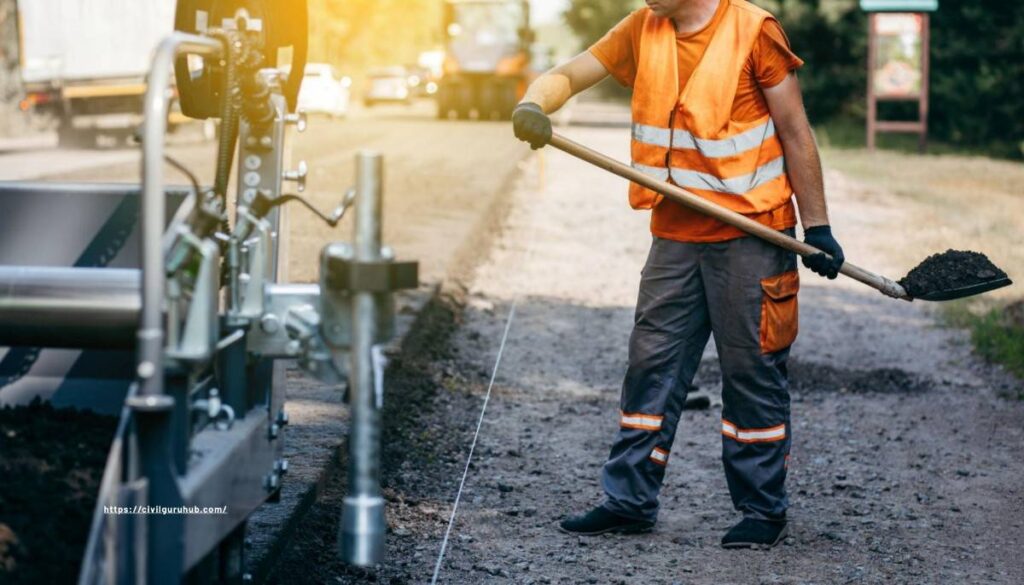
Regular inspection is an important part of sustainable road maintenance, and the tools listed below can make field work easier.
Secret 9: Carbon Footprint Reduction is the Future of Sustainable Road Engineering
In today’s infrastructure sector, merely constructing strong and durable roads is no longer sufficient; making them environmentally responsible has become equally important. For this reason, carbon footprint reduction has now become an essential component of modern “Green Roads” development. Traditional road construction projects generate significant quantities of greenhouse gases, which directly contribute to climate change.
The primary source of carbon emissions in road construction is cement manufacturing. The cement production process utilizes high-temperature kilns that release massive amounts of CO₂ emissions. Asphalt production also generates significant carbon emissions, as aggregates and bitumen must be heated to high temperatures. Furthermore, the transportation of materials and the fuel consumption of heavy construction equipment also contribute to an increase in overall emissions.
To address this challenge, “Green Roads” approaches are being rapidly adopted. Modern Green Roads projects prioritize the sourcing of local materials, thereby reducing transportation distances and lowering fuel consumption. The use of recycled aggregates, reclaimed asphalt materials, and industrial by-products also significantly lowers emissions.
Major Sources of Carbon Emissions in Road Construction
| Carbon Source | Environmental Impact | Reduction Method |
|---|---|---|
| Cement Production | Very High | Alternative binders, SCM usage |
| Asphalt Production | High | Warm mix technologies |
| Material Transport | Medium to High | Local sourcing |
| Construction Equipment | Medium | Fuel-efficient machinery |
| Site Operations | Medium | Optimized planning |
Warm Mix Asphalt technologies are also gaining increasing popularity in Green Roads construction, as they are produced at lower temperatures and reduce energy consumption compared to traditional hot mix asphalt.
Efficient logistics planning also plays a crucial role. Proper scheduling, optimized hauling routes, and effective material management help minimize fuel wastage. These practices not only reduce emissions but also help keep project costs under control.
Future infrastructure regulations are also prioritizing sustainability. Consequently, adopting carbon reduction strategies is no longer merely an act of environmental responsibility; it has become an integral part of planning for future-ready infrastructure. From a long-term perspective, Green Roads carbon reduction approaches deliver simultaneous economic, environmental, and social benefits. For this reason, experts believe that the foundation of future transportation infrastructure will largely rest upon the principles of Green Roads.
Secret 10: Adhering to Standards and Engineering Guidelines Makes Green Roads Reliable
Making any infrastructure project sustainable is not possible merely by using eco-friendly materials. Sustainable development becomes practical only when engineering standards and technical guidelines are properly followed. For this very reason, the reliability and long-term performance of Green Roads depend directly on engineering standards.
In road construction projects, if proper design procedures are not followed, problems such as drainage failure, pavement cracking, waterlogging, and premature deterioration can develop rapidly. Therefore, in successful Green Roads projects, engineering accuracy is equally as important as sustainability.
| Area | Guideline Type |
|---|---|
| Pavement Design | IRC Recommendations |
| Drainage Design | IRC Guidelines |
| Construction Materials | IS Standards |
| Environmental Practices | Project Specifications |
| Quality Control | Testing Procedures & Specifications |
Engineering guidelines ensure that materials are selected appropriately, pavement thickness is designed scientifically, and construction activities are executed in a controlled manner. When Green Roads projects are designed in accordance with IRC recommendations and IS standards, maintenance requirements can be significantly reduced.
Adhering to drainage standards is also extremely important, as poor drainage can rapidly damage sustainable infrastructure. For this reason, high priority is given to stormwater management and surface runoff control in modern Green Roads projects.
An experienced engineer does not merely follow standards blindly; rather, they also apply engineering judgment by taking into account site conditions, traffic loading, and the local environment. It is this balance that makes Green Roads practical and long-lasting.
Ultimately, sustainability is successful only when technical guidelines, engineering knowledge, and proper execution work in tandem. It is precisely this approach that is making Green Roads a future-ready infrastructure solution.
Green Roads Sustainability Summary Table
| Secret | Sustainability Benefit |
|---|---|
| Planning | Less Environmental Damage |
| Recycled Materials | Resource Saving |
| Energy Efficiency | Lower Emission |
| Drainage | Longer Life |
| Water Management | Conservation |
| Long Life Design | Reduced Reconstruction |
| Vegetation | Environmental Protection |
| Maintenance | Lower Resource Use |
| Carbon Reduction | Climate Benefit |
| Standards | Reliable Performance |
Conclusion
In the current era of infrastructure development, Green Roads are no longer merely a modern concept; they are becoming the very foundation of future transportation systems. The increasing traffic load, growing environmental concerns, and rising construction costs have clearly demonstrated that replacing traditional road construction approaches with sustainable alternatives has become an absolute necessity. Consequently, the importance of Green Roads continues to grow year after year.
The primary objective of Green Roads is not limited to simply constructing environmentally friendly roadways; rather, it aims to develop transportation networks capable of delivering long-term performance, lower maintenance costs, and superior resource efficiency. It is through the integration of sustainable materials, effective drainage systems, recycled resources, and energy-efficient construction techniques that truly effective Green Roads are realized.
Infrastructure experts are now placing greater emphasis on “lifecycle thinking,” recognizing that the true cost of road construction extends far beyond the initial construction phase. Maintenance, rehabilitation, and operational efficiency are equally critical factors to consider. It is precisely this holistic approach that enables Green Roads to deliver both economic benefits and environmental advantages.
The role of Green Roads is set to become even more critical in the development of future cities and smart transportation systems. Driven by the promise of enhanced durability, reduced carbon emissions, and efficient resource utilization, both governments and engineers are increasingly adopting sustainable road construction practices. Through the strategic combination of meticulous planning and advanced technologies, Green Roads have the potential to create infrastructure that is stronger and more resilient for future generations.
Ultimately, the transition toward sustainable infrastructure is no longer a matter of choice. Green Roads offer a practical solution that facilitates the creation of smarter transportation networks—networks that successfully balance the needs of the economy, the environment, and long-term performance.
Affiliate Disclosure
“As an Amazon Associate, we earn from qualifying purchases.”
About Author
This article is written by Mr. Susanta Kumar Mohapatra, who creates educational content related to highway engineering, road construction, pavement technology and civil engineering topics. The content focuses on practical construction concepts, engineering principles and sustainable infrastructure practices.
FAQ – Green Roads Sustainable Infrastructure Related Questions
1. What are Green Roads, and how do they differ from conventional roads?
Green Roads are roads that adhere to sustainability principles throughout their entire lifecycle—from planning and design to construction and maintenance. They incorporate the use of recycled materials, efficient drainage systems, techniques to minimize carbon emissions, and design approaches aimed at ensuring a long service life. While traditional roads primarily serve the function of providing transportation, Green Roads work to reduce environmental impact alongside facilitating movement.
2. Is constructing Green Roads more expensive than building traditional roads?
While the initial construction cost may be slightly higher in some instances, the overall lifecycle cost is generally lower. Green Roads often prove to be more economical in the long run due to their extended service life, reduced maintenance requirements, and the decreased need for frequent reconstruction. The careful selection of sustainable materials and meticulous planning further enhance cost efficiency.
3. What materials are commonly used in the construction of Green Roads?
A variety of sustainable materials can be utilized in the construction of Green Roads, including recycled asphalt, fly ash, waste plastic-modified materials, aggregates derived from construction waste, and industrial by-products. The specific selection of materials depends on factors such as project requirements, anticipated traffic loads, and prevailing environmental conditions.
4. Why is drainage considered so crucial to the sustainability of Green Roads?
Water is widely regarded as the primary cause of road deterioration. If the drainage system is inadequate, issues such as pavement cracking, potholes, rutting, and structural failure can escalate rapidly. An efficient drainage system extends the service life of Green Roads and significantly reduces the need for maintenance.
5. Are Green Roads intended solely for highways?
No, the concept of Green Roads is not limited exclusively to highways. The principles of sustainable road engineering can be applied to a wide range of infrastructure projects, including urban roads, rural roads, industrial access roads, residential streets, and smart city developments.
6. Why is the importance of Green Roads expected to grow even further in the future?
The demand for sustainable infrastructure is continuously rising due to factors such as rapid urbanization, growing concerns regarding climate change, escalating construction costs, and increasingly stringent environmental regulations. Green Roads offer a lower carbon footprint, more efficient resource utilization, and superior long-term infrastructure performance; consequently, their significance within future transportation systems is poised to increase substantially.