
Table of Contents
Introduction
In the construction industry, the biggest challenge is completing a project within budget while simultaneously maintaining quality. Many contractors and site engineers compromise on quality in an attempt to cut costs, leading to future issues such as repair expenses, maintenance problems, and structural failures.
In today’s competitive construction market, merely reducing costs is not enough. You achieve true success when you reduce construction costs while upholding the project’s durability, safety, and performance.
A successful construction project is defined as one that is completed on time, stays within budget, and adheres to quality standards. That is why professional project managers and experienced engineers consistently employ cost-optimization techniques.
It is crucial to understand that reducing construction costs does not mean using cheap materials. Instead, it involves the smart utilization of resources, controlling waste, improving planning, and leveraging technology.
If material wastage is reduced by 5%, equipment utilization improves, and labor productivity increases by 10%, you can achieve a significant reduction in the total project cost.
Construction Cost Distribution Table
| Cost Component | Approximate Percentage |
|---|---|
| Material Cost | 50% – 65% |
| Labor Cost | 20% – 30% |
| Equipment Cost | 10% – 15% |
| Overhead Cost | 5% – 10% |
The table shows that the greatest impact is achieved by focusing on material management and labor productivity.
Step 1: Reduce Construction Costs through Detailed Planning and Estimation
A construction project’s success begins at the planning stage. In many projects, the seeds of cost overruns are sown before actual construction even starts because the estimation and planning are inaccurate.
When project planning is weak, issues such as material shortages, equipment idle time, labor delays, and the need for rework arise. Collectively, these factors significantly drive up project costs.
If an engineer conducts a detailed quantity estimation, verifies the Bill of Quantities (BOQ), and prepares a resource plan before the project begins, unnecessary expenses can be avoided.
Let’s consider a practical example.
Suppose an RCC structure requires 100 cubic meters of concrete. If there is a 10% error in the estimation, additional concrete procurement will be necessary.
Concrete Quantity Formula
Example:
Length = 20 m
Width = 5 m
Depth = 1 m
Volume = 20 × 5 × 1
Volume = 100 m³
If the estimation is incorrect and the actual requirement turns out to be 110 m³, costs related to additional transportation, labor, and procurement will increase.
That is why professional engineers verify quantity take-offs multiple times.
Planning Benefits Table
| Planning Activity | Cost Saving Impact |
|---|---|
| Accurate BOQ | High |
| Resource Planning | High |
| Procurement Planning | Medium |
| Risk Assessment | High |
| Scheduling | Medium |
The more detailed the planning, the easier it becomes to reduce construction costs without compromising on quality.
Step 2: Reduce Construction Costs by Controlling Material Wastage
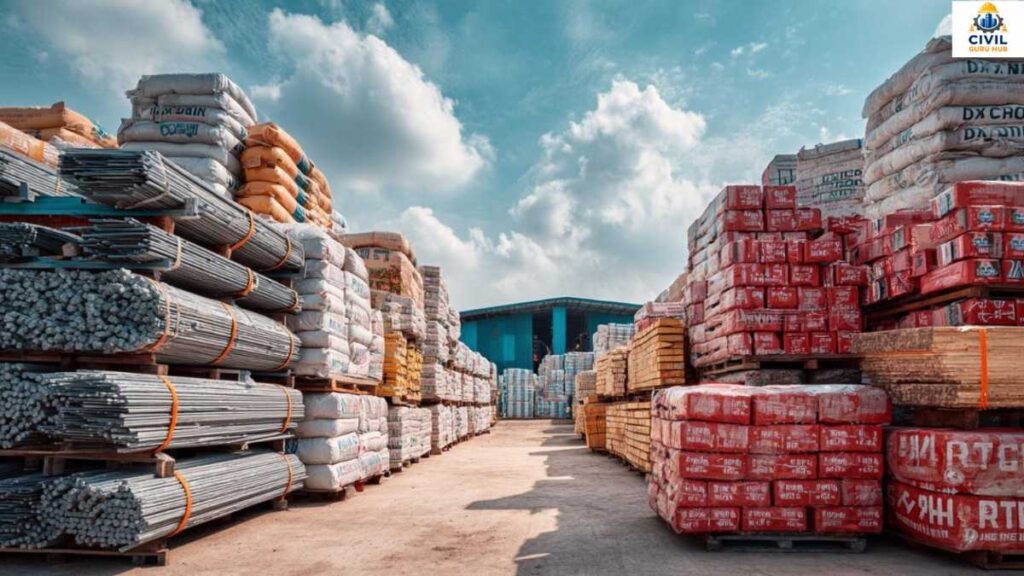
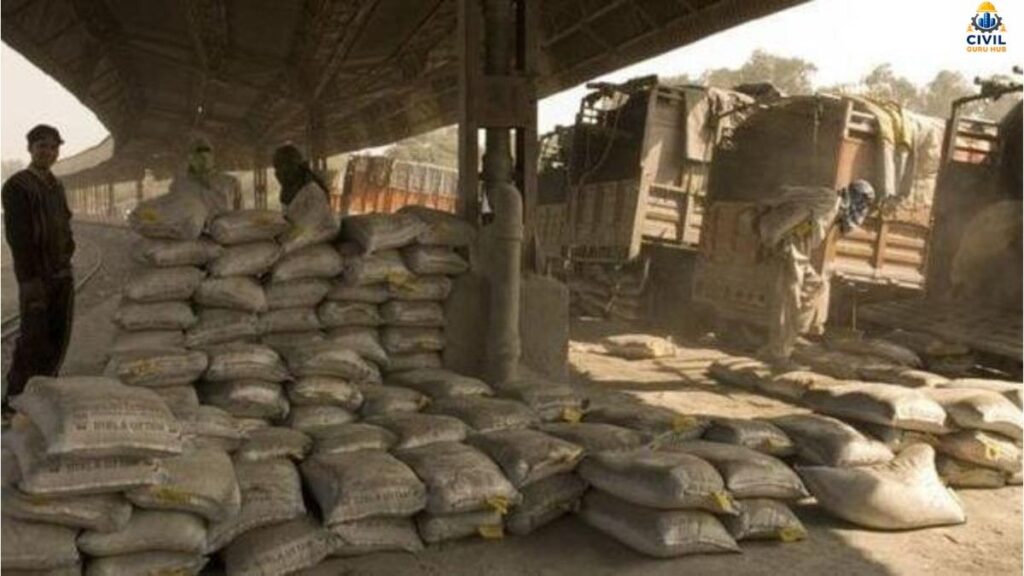
Material wastage is a major hidden expense in construction projects. The wastage of cement, steel, aggregates, bricks, and formwork materials directly impacts the project budget.
It has been observed at many sites that material losses ranging from 5% to 15% occur solely due to poor storage and handling.
If a project costs ₹1 crore and the material cost is ₹60 lakhs, a 10% wastage rate translates to a direct loss of ₹6 lakhs.
This loss does not improve quality; instead, it reduces profit.
Major reasons for material wastage include:
- Improper storage
- Over-ordering
- Poor supervision
- Theft
- Rework
- Incorrect batching
Cement should always be stored in a dry area.
Steel should be stacked properly.
Aggregates should be protected from contamination.
Material Wastage Calculation
Example:
Actual Consumption = 1100 bags
Theoretical Consumption = 1000 bags
Wastage = 10%
If the project manager reduces wastage from 10% to 3%, significant savings can be achieved.
Recommended Wastage Limits
| Material | Recommended Wastage |
|---|---|
| Cement | 2% – 3% |
| Steel | 2% – 5% |
| Aggregate | 3% – 5% |
| Bricks | 5% – 8% |
| Tiles | 5% – 10% |
Controlling material wastage is considered the most effective and practical method for reducing construction costs in the industry.
To read more articles on Project Management, check the following guides:
What Are the Duties of a Project Manager in Construction? Complete Guide 2026
What Makes Green Roads Sustainable? 10 Secrets
What Are the 15 Most Important Project Management Skills for Civil Engineers in 2026?
Step 3: Use the Right Construction Technology to Reduce Construction Costs
In today’s modern construction environment, technology has become one of the most effective tools to reduce construction costs. Companies that invest in the right construction technologies can improve efficiency, minimize errors, and complete projects within budget.
Compared to traditional methods, modern technologies increase project execution speed and reduce dependency on manual labor. As a result, contractors can reduce construction costs while maintaining better quality and project control.
Technologies such as Building Information Modeling (BIM), Total Station Survey, Drone Survey, and Project Management Software help identify potential issues before construction begins. Early problem detection is a proven way to reduce construction costs because it prevents costly mistakes during execution.
One of the biggest reasons for budget overruns is rework. When drawing or design errors are discovered at the construction site, additional labor, materials, and time are required to fix the problem. Industry studies indicate that rework can account for approximately 5% to 12% of total project expenses. Therefore, reducing rework is essential to reduce construction costs and improve overall project profitability.
BIM technology plays a major role in this process through clash detection. By identifying conflicts between structural, architectural, and MEP components before construction starts, BIM helps contractors avoid costly modifications later. This proactive approach can significantly reduce construction costs and improve project efficiency.
Technology Benefits Table
| Technology | Major Benefit |
|---|---|
| BIM | Clash Detection |
| Drone Survey | Fast Measurement |
| Total Station | Accurate Layout |
| ERP Software | Resource Tracking |
| Mobile Apps | Site Monitoring |
Benefits of Modern Construction Technology
- Improves labor productivity
- Reduces rework and construction errors
- Minimizes material wastage
- Enables faster decision-making
- Enhances project monitoring and control
- Helps optimize resource utilization
- Supports better planning and scheduling
- Contributes significantly to reduce construction costs
For these reasons, leading construction companies consider technology adoption a key strategy to reduce construction costs, improve project performance, and achieve higher profitability in a competitive market.
Relevant IS Codes and Standards
| Standard | Description |
|---|---|
| IS 456:2000 | RCC Construction |
| IS 10262 | Concrete Mix Design |
| IS 1200 | Quantity Estimation |
| IS 1786 | Reinforcement Steel |
| IS 383 | Aggregate Quality |
Step 4: Reduce Construction Costs by Improving Labor Productivity
In the construction industry, labor costs account for 20% to 30% of the total project cost. Many contractors focus on material costs but overlook labor productivity. Low labor productivity leads to project delays, increased overtime costs, and pressure on the overall budget.
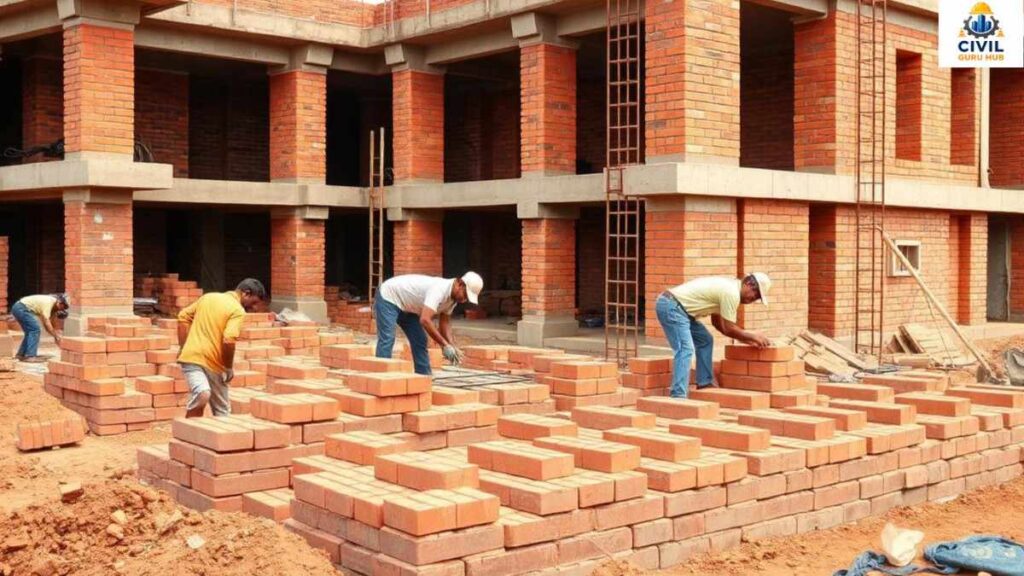
If a mason completes 10 m² of brickwork in a day under normal conditions, but—with proper planning, tools, and supervision—manages to complete 13 m², productivity improves by approximately 30%. This directly means the same work can be completed in less time and at a lower cost.
To improve labor productivity, site engineers should plan work on a daily basis. Materials must be available in advance. Laborers should not have to wait for tools, and site instructions must be clear.
Labor Productivity Formula
Example:
Work Completed = 100 m² Plaster
Labor Hours = 50 Hours
Productivity = 2 m²/Hour
The more labor productivity increases, the easier it becomes to reduce construction costs without compromising quality.
Productivity Improvement Table
| Activity | Traditional Output | Improved Output |
|---|---|---|
| Brickwork | 10 m²/day | 13 m²/day |
| Plaster | 70 m²/day | 90 m²/day |
| Reinforcement | 400 kg/day | 550 kg/day |
| Shuttering | 60 m²/day | 85 m²/day |
Step 5: Reduce Construction Costs with a Smart Procurement Strategy
Procurement is considered the most powerful tool for controlling project costs. Poor procurement planning forces contractors to make emergency purchases, which drives up material rates.
For instance, suppose the standard market rate for a bag of cement is ₹380. If the material is purchased in an emergency, the rate could rise to ₹410 due to transportation and availability issues.
In a project requiring 10,000 bags of cement, a price difference of just ₹30 per bag can result in an additional expense of ₹3 lakh.
Therefore, procurement planning should be done before the project begins. Strategies such as vendor comparison, bulk purchasing, and rate contracts should be utilized.
Procurement Savings Table
| Strategy | Cost Saving |
|---|---|
| Bulk Purchase | 5% – 10% |
| Annual Contract | 3% – 8% |
| Multiple Vendor Comparison | 2% – 5% |
| Advance Procurement | 3% – 7% |
A smart procurement strategy directly supports cost reduction and increases project profitability.
To read more articles on Project Management, check the following guides:
What is PERT in Project Management? 8 Practical Ways to Control Project Time and Cost
What is CPM in Project Management? 10 Practical Ways to Control Project Time and Cost
What is risk Management: 10 Steps for Successful Projects
Step 6: Reduce Construction Costs through Equipment Management
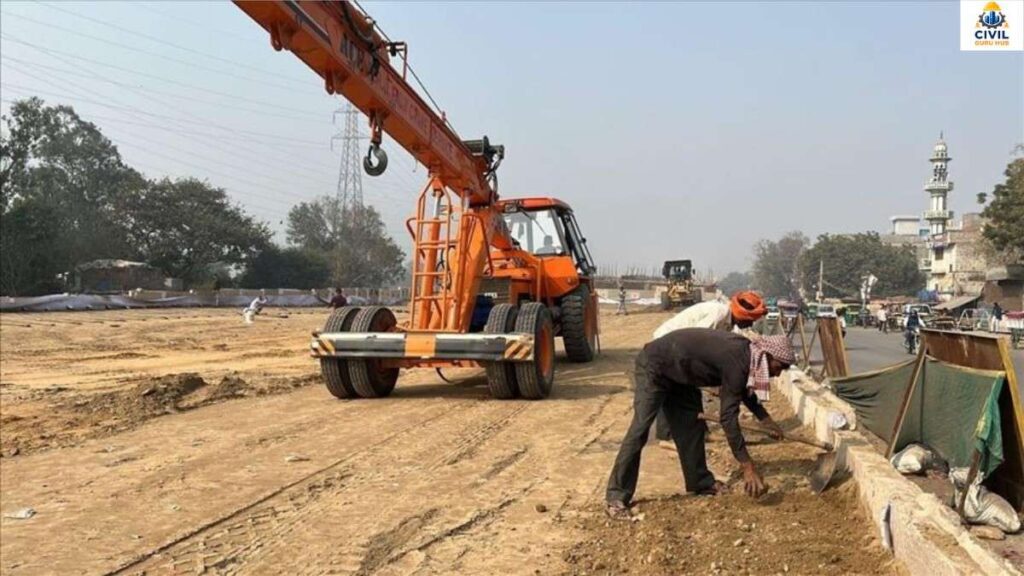
Construction equipment—such as excavators, concrete mixers, batching plants, vibratory rollers, and cranes—constitutes a significant portion of project costs.
In many projects, machinery remains idle for extended periods despite being available. Even when equipment is idle, costs for fuel, operator salaries, and maintenance continue to accrue.
If the rental cost of an excavator is ₹2,500 per hour and the machine remains idle for 4 hours daily, then:
Daily Loss = ₹10,000
Monthly Loss = ₹3,00,000
Such hidden costs impact the project budget.
Equipment Utilization Formula
Example:
Operating Hours = 8
Available Hours = 10
Utilization = 80%
Utilization should be maintained above the 80% target.
Equipment Cost Control Table
| Measure | Benefit |
|---|---|
| Preventive Maintenance | Breakdown Reduction |
| Fuel Monitoring | Fuel Saving |
| GPS Tracking | Better Control |
| Operator Training | Productivity Increase |
Through effective equipment management, the project owner can easily achieve a reduction in construction costs.
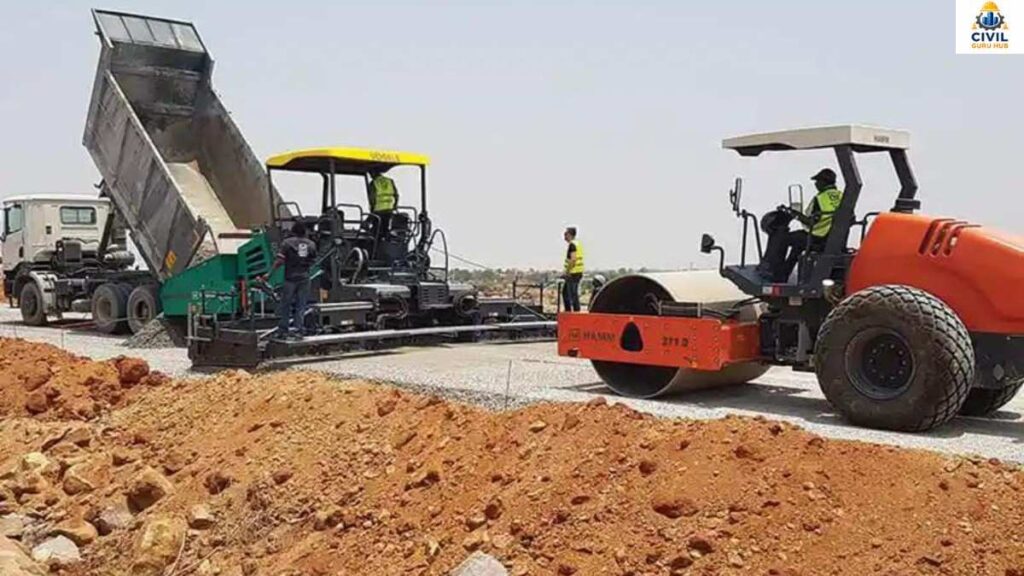
Step 7: Reduce Construction Costs Using Value Engineering
Value Engineering is a systematic process of identifying alternative solutions while maintaining the project’s functionality.
Many people mistakenly believe that Value Engineering means using cheap materials. In reality, its purpose is to achieve the same level of performance at a lower cost.
For example, AAC blocks can be used instead of conventional brick walls. This reduces the dead load, lowers plaster consumption, and increases construction speed.
Similarly, modular formwork can be used instead of traditional shuttering.
Value Engineering Benefits
| Alternative | Potential Saving |
|---|---|
| AAC Blocks | 10% – 15% |
| Ready Mix Concrete | 5% – 12% |
| Modular Formwork | 8% – 20% |
| Fly Ash Concrete | 5% – 10% |
Professional companies consider Value Engineering to be the most advanced method for reducing construction costs.
Step 8: Reduce Construction Costs by Strengthening Quality Control
Many contractors think that quality control is an additional expense. But in reality quality control saves future repair and rework costs.
Poor quality concrete, incorrect reinforcement placement or improper compaction can create cracking and structural defects in the future.
Once a defect occurs the repair cost can be many times more than the original construction cost.
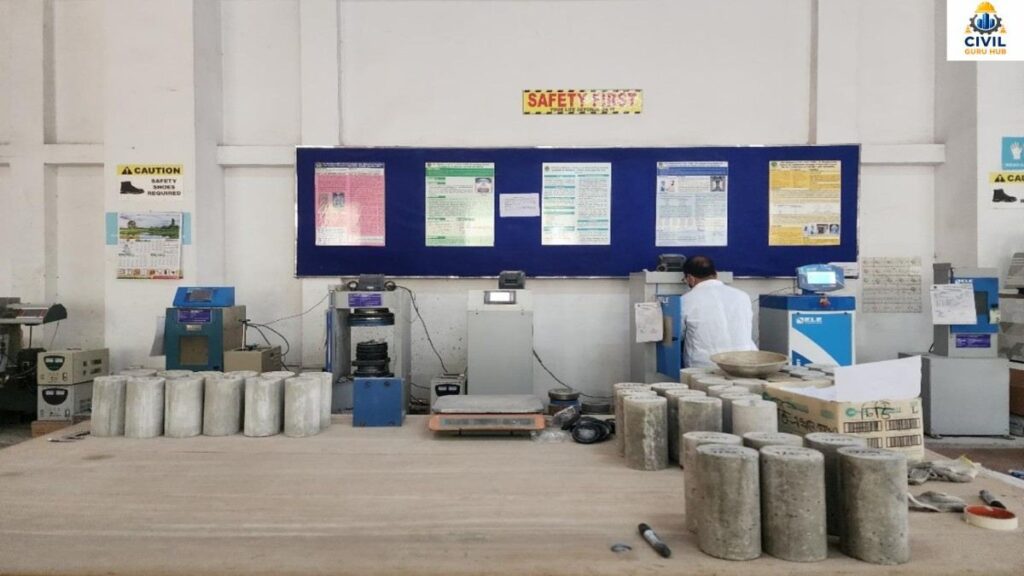
Concrete Cube Test Importance
Cube test is performed to verify concrete quality.
Compressive Strength Formula
Example:
Load = 900 kN
Area = 22500 mm²
Strength = 40 MPa
Defects are detected at early stage by regular testing.
Strong quality control is the most reliable method of reducing construction costs in the long term.
Step 9: Reduce Construction Costs by Inventory Management
Ignoring inventory management is a common mistake in construction projects.
If there is excessive inventory stored on the site then working capital is blocked. On the other hand, inventory shortage can delay the project.
The ideal approach is to maintain controlled inventory as per material requirement.
Inventory Turnover Formula
The more inventory turnover is higher, the more capital efficiency will improve.
Inventory Control Benefits
| Benefit | Result |
|---|---|
| Theft Reduction | Cost Saving |
| Less Damage | Better Quality |
| Less Storage Cost | Higher Profit |
| Better Cash Flow | Financial Stability |
Inventory management directly supports the Reduce Construction Cost objective.
Step 10: Reduce Construction Costs by Continuous Monitoring and Cost Tracking
Controlling costs is practically impossible without project monitoring.
Project costs should be reviewed every week. The planned cost should be compared with the actual cost.
If any deviation is identified at an early stage, corrective action can be taken.
Cost Variance Formula
Example:
Budgeted Cost = ₹50,00,000
Actual Cost = ₹52,00,000
Cost Variance = -₹2,00,000
This indicates that the project is exceeding the budget.
Monitoring Checklist
| Parameter | Frequency |
|---|---|
| Material Consumption | Daily |
| Labor Productivity | Daily |
| Equipment Usage | Daily |
| Cost Review | Weekly |
| Project Progress | Weekly |
Regular monitoring helps control cost overruns and achieve the objective for reduce construction costs.
Recommended Tools for Better Cost Control and Site Efficiency
The civil engineering tools listed below can help improve site management, measurement, and project monitoring. By using them effectively, you can reduce material wastage and rework.
| Product Name | Primary Use | Key Benefit |
|---|---|---|
| Auto Level Machine | Level Checking & Surveying | Ensures Accurate Levels and Reduces Rework |
| Measuring Wheel | Distance Measurement | Fast and Accurate Site Measurements |
| Scientific Calculator | Engineering Calculations | Minimizes Calculation Errors |
| Safety Helmet | Personal Safety | Helps Prevent Accidents and Work Delays |
| Construction Diary | Daily Site Record Keeping | Improves Cost Control and Progress Tracking |
Pro Tip: Combining the right tools with proper planning is considered the most effective way to reduce construction costs in the long run. To control costs without compromising on quality, always focus on using professional equipment and ensuring accurate measurements.
Conclusion
In the construction industry, professionals consider a project truly successful only when it meets three critical objectives: quality, time, and budget. Focusing on only one of these factors while ignoring the others can create serious challenges in the long run. Many contractors attempt to cut expenses by compromising on material quality or construction standards, but this approach often leads to higher repair, maintenance, and rehabilitation costs in the future. Therefore, the primary goal should not be simply reducing expenses but implementing effective strategies to Reduce Construction Costs while maintaining the required quality standards.
One of the most effective ways to Reduce Construction Costs is through detailed project planning. Proper planning helps identify risks, allocate resources efficiently, and avoid unnecessary delays. When project activities are carefully scheduled, contractors can Reduce Construction Costs by minimizing idle labor time and preventing equipment downtime.
Material management also plays a crucial role in efforts to Reduce Construction Costs. Construction materials represent a significant portion of the overall project budget. By controlling material wastage, implementing accurate quantity estimation, and ensuring proper storage practices, project teams can significantly Reduce Construction Costs without affecting construction quality.
Another important factor is labor productivity. Skilled labor, proper supervision, and continuous training can improve work efficiency and reduce errors. Higher productivity allows contractors to complete work faster and Reduce Construction Costs associated with delays, rework, and additional labor requirements.
Smart procurement strategies further help organizations reduce construction costs. Bulk purchasing, supplier evaluation, long-term vendor relationships, and competitive bidding can lower material expenses while ensuring a steady supply of quality products. Similarly, proper equipment utilization and preventive maintenance programs help reduce construction costs by avoiding costly breakdowns and project interruptions.
Value engineering is another powerful technique that helps reduce construction costs. By analyzing design alternatives and selecting cost-effective construction methods, engineers can optimize project performance while maintaining safety and durability. Quality control should also remain a priority because preventing defects is often far less expensive than correcting them later.
Inventory management and continuous project monitoring are equally important. Real-time tracking of materials, labor, and equipment allows managers to identify inefficiencies early and take corrective actions. These practices help organizations consistently reduce construction costs throughout the project lifecycle.
Ultimately, the key to reducing construction costs lies in smart engineering decisions, efficient resource management, and disciplined project execution. Companies that focus on planning, productivity, quality control, and technology adoption can successfully reduce construction costs while delivering high-quality projects on time and within budget. This balanced approach is the true secret behind sustainable profitability and long-term construction success.
About the Author
My name is Susanta Kumar Mohapatra, and I am a Civil Engineering professional with over 11 years of practical experience in the construction and infrastructure industry. I hold a B.Tech degree in Civil Engineering and an M.E. degree in Construction Management. Throughout my career, I have worked in key areas such as road construction, bridge projects, quantity surveying, quality control, material testing, project planning, and site management.
I started CivilGuruHub.com with the aim of providing civil engineering students, site engineers, supervisors, and construction professionals with practical, industry-oriented knowledge on a single platform. My articles are based on real-world site experience, engineering standards, IS Codes, and practical examples, ensuring that readers gain field knowledge alongside theoretical understanding.
If you wish to watch practical videos related to Civil Engineering, Highway Engineering, Building Construction, Quantity Surveying, Material Testing, and Project Management, please follow my YouTube channel, “The Civil Site.” On this channel, I regularly share videos covering site experience, engineering calculations, civil engineering tutorials, and career guidance—content that is beneficial for both students and working professionals.
My goal is to make civil engineering knowledge simple, practical, and accessible to every engineer through CivilGuruHub and The Civil Site. If you are looking to enhance your knowledge and skills in the construction industry, my articles and videos will prove to be a valuable resource for you.
Connect with Me:
CivilGuruHub.com
YouTube Channel: The Civil Site
Civil Engineering | Construction Management | Highway Engineering | Quantity Surveying | Quality Control Expert
Affiliate Disclaimer
This article may contain product recommendations and affiliate links. If you purchase a product through these links, we may receive a small commission at no additional cost to you.
We only recommend tools, equipment, and resources that are useful for civil engineering, construction management, site supervision, and professional use. Our recommendations are based on practical experience, research, and industry requirements.
Receiving an affiliate commission does not influence the information, reviews, or recommendations provided in this article. Our goal is always to provide accurate, useful, and high-quality information to our readers.
Every purchase you make supports CivilGuruHub.com and helps us publish more free educational and practical content related to civil engineering.
Thank you for your support! 🙏
FAQ: The Secret to Reduce Construction Costs Without Affecting Quality
1. What is the most effective way to reduce construction costs?
The most effective way to reduce construction costs is through proper planning, accurate estimation, and controlling material wastage. When resource management is handled correctly from the very beginning of the project, costs can be significantly reduced without compromising quality.
2. Is it possible to reduce construction costs without compromising quality?
Yes, it is absolutely possible. Construction costs can be lowered using methods such as smart procurement, value engineering, improving labor productivity, and quality control, without affecting the project’s durability or safety.
3. What should be the first step to reduce construction costs?
The first step in cost control for a construction project is detailed planning and accurate estimation. If the BOQ (Bill of Quantities), material quantities, and project schedule are prepared correctly, unnecessary expenses and delays can be largely prevented. That is why experienced engineers always place greater emphasis on the planning phase.
4. Can construction costs be reduced by using cheaper materials?
No, simply using cheaper materials is not the right approach. Low-quality materials can lead to structural defects, maintenance issues, and increased repair costs in the future. To reduce construction costs while maintaining quality standards, one should focus on controlling wastage, smart procurement, and value engineering.
5. What impact does labor productivity have on construction costs?
Labor productivity directly affects project costs. When labor completes more work in the same amount of time, the project duration decreases, and labor costs remain under control. Proper supervision, training, and the availability of resources help improve labor productivity.
6. How can rework costs be reduced in a construction project?
Drawing verification, quality inspections, material testing, and regular site supervision are crucial for reducing rework costs. Conducting quality checks at every stage of construction allows mistakes to be identified early, thereby avoiding future rework and additional expenses.
7. What level of material wastage is considered acceptable?
Wastage of 2%–3% for cement, 2%–5% for steel, and 3%–5% for aggregates is generally considered acceptable.
8. How does the use of technology help reduce construction costs?
Modern technologies such as BIM, drone surveys, Total Stations, and project management software make project execution more accurate and efficient. These technologies help minimize errors, rework, and material wastage, thereby reducing the overall project cost while maintaining quality.

Great article highlighting the importance of quality materials in construction. Construction Concrete Solutions Bangalore play a key role in building strong, durable, and long-lasting structures while supporting smooth project execution. Thanks for sharing such valuable information!