
Introduction
The civil engineering industry is undergoing rapid transformation leading up to 2026. Today’s civil engineer is no longer limited to merely drafting drawings, conducting estimations, or supervising sites. Modern infrastructure projects have now become multi disciplinary, technology-driven, and highly time sensitive. In projects ranging from metro rail systems, expressways, and smart cities to tunnels, bridges, airports, industrial corridors, and mega housing developments, a civil engineer requires not only technical expertise but also strong project management skills.
In the current landscape, companies prefer civil engineers who can effectively manage planning, execution, coordination, communication, budgeting, safety protocols, digital tools, and leadership responsibilities. If an engineer possesses strong project management skills, they can achieve rapid professional growth, even as a fresher. Conversely, relying solely on theoretical knowledge makes it difficult to attain long-term success in this field.
By 2026, the utilization of BIM (Building Information Modeling), AI-based scheduling, drone surveying, ERP systems, sustainability standards, and digital project monitoring is expected to increase significantly. Consequently, it has become imperative for civil engineers to cultivate modern project management capabilities alongside their traditional technical knowledge.
In this article, we will discuss in detail the 15 project management skills that will be most critical for civil engineers in 2026 exploring their practical applications, providing real-life examples, and demonstrating how these skills determine success in on-site project execution.
Importance of Project Management skills in Modern Civil Engineering Projects
In the past, construction projects used to be comparatively simple. However, today, the scale, complexity, and stakeholder involvement in projects have increased significantly. A single highway project involves the client, consultant, contractor, subcontractor, vendors, government agencies, environmental authorities, and the local public—all at once.
In such a scenario, if project management is not executed properly:
- The project faces delays
- Cost overruns occur
- Quality is compromised
- Safety issues arise
- Legal disputes increase
- Client dissatisfaction ensues
For this very reason, a modern civil engineer must think like a project manager.
Civil Engineering Project Life Cycle
The table given below explains a typical civil engineering project life cycle.
| Stage | Main Activities |
|---|---|
| Planning | Feasibility, survey, budgeting |
| Design | Structural drawings, approvals |
| Procurement | Material and contractor selection |
| Execution | Construction activities |
| Monitoring | Quality, safety, progress tracking |
| Closing | Testing, handover, documentation |
Different management skills are required at each stage.
1. Planning and Scheduling Management Skill
Planning and scheduling are constituted as the backbone of any project. If the planning is weak, smooth progress in project execution can never be achieved. In 2026, advanced planning knowledge will be considered absolutely critical for civil engineers.
Planning is entailed to include more than just a timeline being created; resource allocation, manpower management, machinery arrangement, material procurement, and the sequence of activities are involved.
Scheduling is generally carried out using techniques such as CPM (Critical Path Method) and PERT. In modern projects, Primavera P6 and MS Project are being utilized extensively.
Let the example of a flyover construction project be taken. If the girders are not fabricated before the pile foundations are completed,the project may face delays. For this reason, parallel activities must be identified by a planning engineer.
Some important concepts in project scheduling:
| Concept | Meaning |
|---|---|
| Critical Path | Longest activity sequence |
| Float | Delay allowance |
| Milestone | Important project event |
| Baseline Schedule | Original approved schedule |
CPM formula:
Critical Path=Longest Duration Sequence
Planning engineers must also consider weather conditions, local permissions, labor availability, and logistics.
In India, submission of a detailed work program is mandatory in MoRTH and IRC highway projects.
Relevant Codes:
| Code | Description |
|---|---|
| IRC SP 47 | Project preparation guidelines |
| IS 15883 | Construction Project management |
In today’s times, AI-based scheduling tools are also being developed that predict project delays.
To get about better idea about Management skills, CPM, PERT and project management click on given link.
What is CPM in Project Management? 10 Practical Ways to Control Project Time and Cost
What is PERT in Project Management? 8 Practical Ways to Control Project Time and Cost
What is Time Management? 10 Proven Project Management Tips
2. Communication in management Skills
Among project management skills, communication is the most underrated yet most powerful skill. An engineer may be technically strong, but if they are unable to communicate effectively with clients, laborers, consultants, and management, the project suffers.
Daily coordination meetings are held at construction sites. The Site Engineer is required to:
- Explain daily progress
- Justify any delays
- Issue safety instructions
- Coordinate with vendors
- Address client concerns
If communication in project management skills is unclear, major mistakes can occur.
Example:
If a drawing revision is not properly communicated and workers proceed to cast a slab using the outdated drawing, the entire slab may have to be demolished.
Types of Communication in management skills:
| Type | Usage |
|---|---|
| Verbal | Meetings, instructions |
| Written | Reports, emails |
| Visual | Drawings, charts |
| Digital | BIM coordination |
Remote project management skills are set to increase in 2026; consequently, the importance of online communication platforms will grow even further.
Strong communication skills lead to:
- Reduced team conflicts
- Improved productivity
- Increased client trust
- Faster decision-making
3. Leadership in management Skills
Leadership is a skill that transforms an average engineer into an exceptional one. Not every situation at a worksite is predictable; rainfall, labor strikes, machinery breakdowns, design changes, and safety incidents can occur at any moment.
In such situations, it is the engineer with leadership qualities who keeps the project stable.
Leadership entails more than just issuing orders. It involves:
| Style | Description |
|---|---|
| Autocratic | Fast decision-based |
| Democratic | Team involvement |
| Transformational | Motivation-focused |
| Situational | Condition-based |
In 2026, multidisciplinary projects will increase, requiring civil engineers to coordinate with electrical, mechanical, and environmental teams.
Leadership directly impacts project productivity and morale.
4. Cost Management in management Skills
Cost control is the most important financial aspect of the construction industry. If the project exceeds the budget, the contractor may incur heavy losses.
Civil engineers should have a strong understanding of BOQ, rate analysis, estimation and budgeting.
Cost management includes:
- material cost monitoring
- Labor productivity tracking
- equipment utilization
- waste reduction
- Billing management
Construction cost formula:
Total Project Cost=Material Cost+Labor Cost+Equipment Cost+Overheads
Example:
If concrete wastage increases from 2% to 8%, there could be a financial impact of crores in large projects.
Important Cost Components:
| Component | Percentage Range |
|---|---|
| Material | 50–60% |
| Labor | 20–30% |
| Equipment | 10–15% |
| Overheads | 5–10% |
5. Risk Management in management Skills
Construction projects are inherently risky. Risk management skills are going to be extremely important in 2026 because the scale of projects is continuously increasing.
Risks can be of multiple types:
| Risk Type | Example |
|---|---|
| Technical | Design failure |
| Financial | Cost escalation |
| Environmental | Flooding |
| Safety | Accident |
| Legal | Land dispute |
Risk Management Process:
- Identification
- Risk Assessment
- Mitigation Planning
- Monitoring
Probability Concept:
Risk Exposure = Probability × Impact
Example:
In a bridge project, there may be a risk of a sudden rise in the river water level. The engineer must prepare cofferdam protection and contingency plans in advance.
In modern projects, a risk register is maintained in which all risks are documented.
6. Time Management in management Skills
In the construction industry, time literally equals money. Delays have a direct financial impact.
In terms of time management, an engineer must:
- Identify priorities
- Set daily targets
- Optimize resources
- Minimize delays
Example:
If the removal of shuttering is delayed, the subsequent slab activity may have to be postponed.
Common Causes of Delay:
| Cause | Impact |
|---|---|
| Material shortage | Work stoppage |
| Rainfall | Productivity loss |
| Labor shortage | Slow progress |
| Drawing delay | Idle manpower |
7. Quality Management Skills
Quality directly affects the durability and safety of a structure. Poor quality can result in cracks, leakage, settlement, and structural failure.
In quality management, an engineer is required to:
- Conduct material testing
- Monitor workmanship
- Verify specifications
- Maintain inspection reports
Important Tests:
| Material | Test |
|---|---|
| Cement | Fineness test |
| Concrete | Cube test |
| Steel | Tensile test |
| Soil | CBR test |
8. Safety Management Skills
The construction industry is one of the most hazardous industries in the world. For this reason, safety management is a critical part of modern project management.
Safety engineers and site engineers must ensure that workers use PPE and follow safe practices.
Major Hazards:
| Hazard | Example |
|---|---|
| Fall from height | Scaffolding accident |
| Electrical shock | Cable contact |
| Excavation collapse | Trench failure |
| Crane accident | Overloading |
9. Digital Technology Skills
Digital transformation is rapidly transforming the construction industry. It has become crucial for traditional engineers to learn modern digital tools.
Important Software:
| Software | Use |
|---|---|
| AutoCAD | Drafting |
| Revit | BIM |
| Primavera | Scheduling |
| STAAD Pro | Structural analysis |
BIM (Building Information Modeling) is the major technology of the future.
BIM workflow diagram:
Planning → Design → Clash Detection → Construction → Facility Management
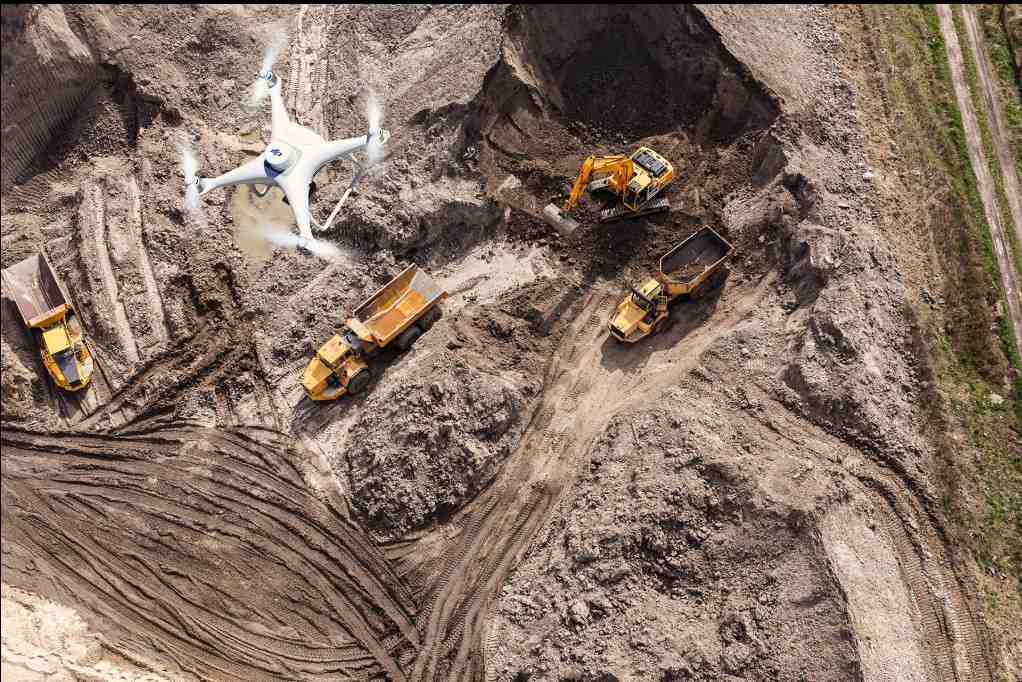
Drone surveying and AI inspection are also growing rapidly.
10. Decision-Making Skills
Civil engineers have to take multiple decisions daily. Wrong decisions can create huge financial losses.
Decision-making factors:
- Time
- cost
- Safety
- quality
- Client requirement
Example:
If rainfall continues continuously the engineer has to decide whether to continue concreting or postpone it.
Strong decision-making is developed from experience and analytical thinking.
11. Negotiation Skills
Negotiation is utilized daily with contractors, suppliers, and clients.
| Area | Example |
|---|---|
| Material rate | Cement price |
| Contract | Time extension |
| Labor | Wage discussion |
12. Team Management Skills
Construction is a team-based industry, and poor coordination among teams can significantly reduce productivity.
Different teams work simultaneously on the site:
- civil
- electrical
- Mechanical
- Plumbing
- Safety
Engineer has to coordinate all the teams.
13. Documentation Skills
In construction project management skills, documentation is important from both legal and technical perspectives.
Important Documents:
| Document | Purpose |
|---|---|
| DPR | Project planning |
| DPR | Detailed analysis |
| Measurement Book | Billing |
| Inspection Report | Quality control |
14. Sustainability and Environmental Management Skills
The importance of green construction and sustainable engineering will increase rapidly in 2026.
Environmental management includes:
- dust control
- waste management
- water conservation
- energy efficiency
Green certifications like IGBC and LEED will be common in future projects.
15. Adaptability and Learning Skill
Technology is continuously evolving. The engineer who quickly learns new technologies is the one who will be successful in the future.
By 2026, AI, robotics, and automation could become a major part of the construction industry.
Engineers will need to adopt a lifelong learning approach.
Important Project Management Tools Used in Civil Engineering
| Tool | Main Purpose |
|---|---|
| Primavera P6 | Project scheduling |
| MS Project | Planning |
| BIM | Coordination |
| ERP | Resource management |
| AutoCAD | Drafting |
| Power BI | Data visualization |
Example of Project Coordination Flow
Client
↓
Consultant
↓
Project Manager
↓
Site Engineer
↓
Supervisor
↓
Workers
Future Trends in Civil Engineering Project Management (2026)
| Trend | Impact |
|---|---|
| AI Scheduling | Delay prediction |
| BIM Integration | Better coordination |
| Drone Monitoring | Faster inspection |
| Digital Twins | Real-time simulation |
| Smart Safety Systems | Accident reduction |
Conclusion
The civil engineering industry is rapidly modernizing, and by 2026, project management skills will become just as important as technical knowledge. A successful civil engineer today is one who is not limited merely to calculations and drawings, but is also an expert in leadership, planning, communication, budgeting, digital tools, and safety management.
These 15 project management skills can help any civil engineer advance from the level of a fresher to that of a project manager. The scale of infrastructure projects is continuously expanding, and companies are now prioritizing multi-skilled professionals.
If a civil engineering student or site engineer wishes to become “future-ready,” they should begin developing proficiency in planning software, BIM tools, communication skills, and leadership qualities right now. In the future, the engineers in highest demand will be those who possess strong management capabilities alongside their technical expertise.
FAQs
1. What is the most important project management skill for civil engineers?
Planning and scheduling are considered among the most important skills, as the entire execution of a project depends on them.
2. Is learning Primavera useful for civil engineers?
Yes, Primavera P6 is the most in-demand scheduling software in the modern construction industry.
3. How important will BIM be in the future?
BIM is emerging as a major technology in the future construction industry and will be used extensively in smart infrastructure projects.
4. Can communication skills be more important than technical skills?
In large-scale projects, communication and coordination sometimes become even more critical than technical knowledge.
5. Should freshers learn project management?
Absolutely. Developing management skills early in one’s career significantly increases opportunities for professional growth.
6. Do civil engineering project managers earn a higher salary?
Yes, experienced project managers generally earn a significantly higher salary than site engineers and junior engineers.