
Table of Contents
Introduction
Today, infrastructure development is the backbone of any country’s growth, and highway projects are the most important part of this development.
Whether it’s a national highway, an expressway, or a rural road connectivity project, every project follows a systematic process called the Project Life Cycle.
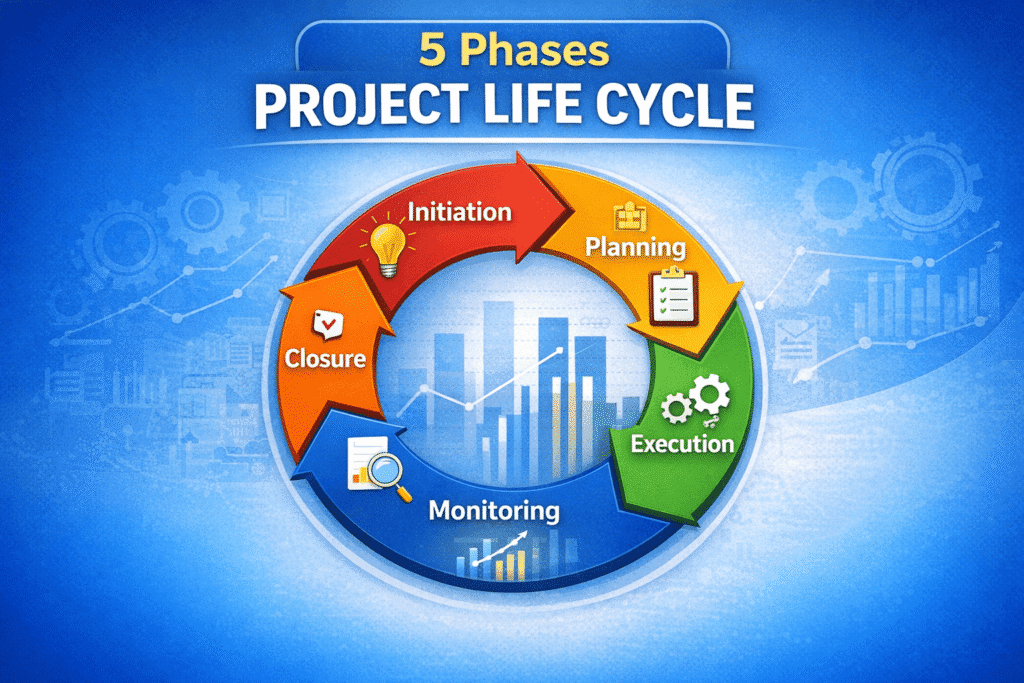
The Project Life Cycle describes the entire journey of a project from inception to completion and handover. It consists of certain defined stages through which the project managers systematically plan, execute, and complete the project.
If these stages are followed correctly, the project team completes the project on time, within budget, and with the required quality.
In this article, we will explain the 5 phases of Project Life Cycle in detail through the example of a highway project: Initiation, Planning, Execution, Monitoring & Controlling, and Closure.
Initiation Phase (Initiation of the Project)
The initiation phase is the foundation of any highway project. This is the stage where the project idea is developed and its feasibility is examined.
In the case of a highway project, the initiation phase first identifies where and why a road is needed. For example, if an area has severe traffic congestion or needs better connectivity for economic development, a new highway is proposed.
Government agencies such as the NHAI or State Public Works Department (PWD) participate in this phase. They conduct preliminary surveys that evaluate traffic studies, population growth, economic benefits, and environmental impact.
A key activity is the Feasibility Study, which analyzes technical, financial, and environmental aspects. Only if the project team deems the project feasible does it receive approval.
At this stage, a basic document called the Project Charter is created. It defines the project’s objective, scope, and stakeholders.
The initiation phase of a highway project also involves a preliminary assessment of land acquisition, as this is a major challenge in India. If land acquisition is not possible, the project may be delayed or even cancelled.
The main goal of this phase is to set a clear direction and ensure that the project is realistic and beneficial.
Planning Phase (Detailed Planning of the Project Life cycle)
The planning phase experts consider the most critical stage of a project. This is where the team designs and plans the project in detail.
In the planning phase of a highway project, the team first conducts detailed surveys and investigations. This includes topographical surveys, soil investigations, traffic surveys, and hydrological studies.
Then, engineers determine the alignment of the highway. Alignment determines the route the road will take. This phase takes into account terrain, existing structures, environmental impact, and cost.
The team prepares a Detailed Project Report (DPR) during this phase. The DPR is a comprehensive document that includes design drawings, cost estimation, material requirements, manpower planning, and construction methodology.
Budget planning also occurs during this phase. The government or private investors decide how much funding they will allocate for the project. If the project is on a PPP (Public Private Partnership) model, the team structures the finances during this stage.
Risk management is also an important part of the planning phase. Highway projects may face risks such as land acquisition delays, weather issues, material shortages, or legal disputes. The team plans mitigation strategies for these risks.
The timeline is also decided during the planning phase. A proper schedule is created, defining the start and end dates for each activity.
By the end of this stage, the team has the project ready like a blueprint, which they will follow for execution.
Execution Phase (Implementation of the Project Life cycle)
The execution phase is where actual construction work begins. It is the most visible and resource-intensive phase of a highway project.
Site preparation begins in this phase, involving land clearing, tree cutting, demolition, and leveling. Earthwork then begins, cutting and filling to achieve the required formation level.
Following subgrade preparation, contractors construct pavement layers such as the subbase, base course, and wearing course. Material selection and compaction quality are crucial here.
Structures in a highway project also occur during the execution phase. This includes culverts, bridges, retaining walls, and drainage systems.
Proper coordination of manpower, machinery, and materials is crucial during the execution phase. Problems with coordination can delay the project.
Contractors and subcontractors play a major role in this phase. They must work according to project specifications and designs.
Safety is also an important aspect. Proper measures must be taken to ensure the safety of workers on the construction site, such as using PPE and following safety guidelines.
The main goal of the execution phase is to physically complete the project as planned.
For better knowledge about Highway Click on given link:
What is a Median in Highway? Full Engineering Guide
TCS: How to Study Typical Cross Section – Complete Guide
Monitoring & Controlling Phase (PROJECT LIFE CYCLE)
The monitoring and controlling phase runs parallel to execution. Its main purpose is to ensure that the project is progressing according to planning.
Monitoring in a highway project involves tracking daily progress. Engineers and project managers verify that work is proceeding according to schedule.
Quality control is a major part of this phase. Engineers test materials such as aggregates, bitumen, and concrete to ensure they meet required standards.
If deviations occur at any stage, the team takes corrective action. For example, if the pavement thickness is not as per design, the team rectifies it.
Cost control is also an important aspect of the monitoring phase. The project team tracks expenditures to ensure the budget is not exceeded.
Documentation and reporting also occur in this phase. The project team creates regular progress reports to update stakeholders.
Modern highway projects also utilize technology such as drones, GPS, and project management software, making monitoring more accurate.
The main aim of this phase is to keep the project on track and resolve any problems in a timely manner.
Closure Phase (Completion and Handover of the Project)
The closure phase is the final stage of a project, where the project team formally hands it over after completion.
In highway projects, the closure phase is the first stage of a final inspection. Engineers verify that the project has been completed according to the design and specifications.
If there are any defects or pending work, the team rectifies them. This process is also called snag list completion.
The team then officially hands the project over to the client or government authority. All documents, such as drawings, reports, and test results, are submitted at this stage.
Highway projects also have a maintenance period, known as the defect liability period. During this period, the contractor is required to fix any defects.
An important activity in the Closure phase is Project Evaluation, which analyzes whether the project was successful, what challenges the team encountered, and what lessons they learned for future projects.
At the end of this phase, the contractor opens the highway for public use, which is the most satisfying moment of any project.
Case Study (PROJECT LIFE CYCLE)
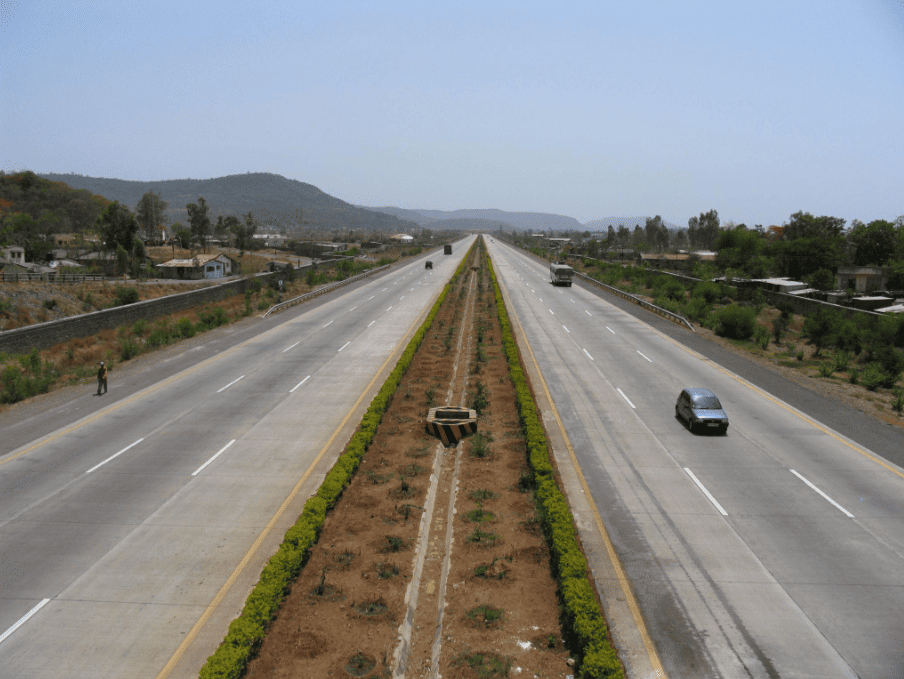
Mumbai–Pune Expressway
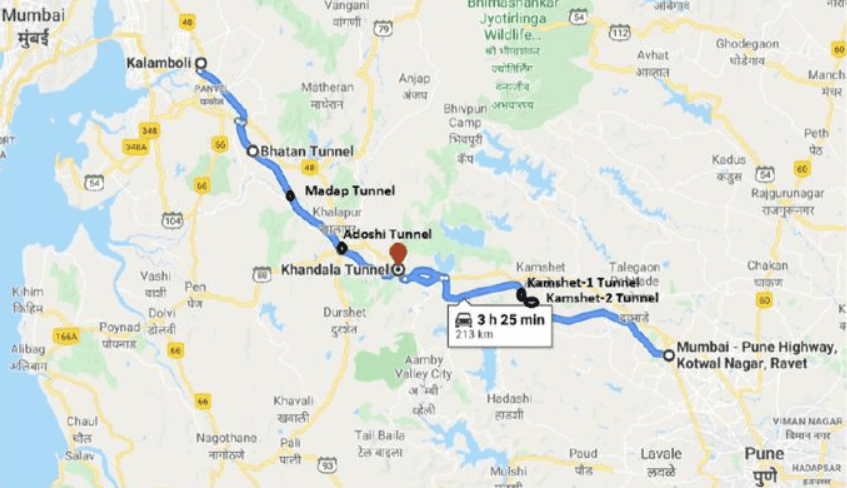
The Mumbai–Pune Expressway is India’s first access-controlled expressway, connecting two major cities in Maharashtra. This project is considered the starting point of modern highway development in India.
Initiation
In the 1990s, traffic between Mumbai and Pune increased significantly. Congestion and accidents became common on the old NH-4. Therefore, the need for a high-speed expressway was felt.
Planning
The project involved detailed surveys and alignment planning. Tunnels and bridges were designed to cross the difficult terrain of the Western Ghats.
Financial planning was done by the Maharashtra State Road Development Corporation (MSRDC).
Execution
Construction began in 1997 and was completed in fast-track mode. It involved multiple tunnels and long bridges, posing a major engineering challenge.
Monitoring & Control
The project underwent strict supervision and engineering checks. Quality and safety standards were maintained, especially in the tunnels.
Closure
The expressway opened in 2002, reducing travel time from 6–7 hours to 2.5–3 hours.
Key facts
- Length: Approximately 94.5 kilometers
- Opened: 2002
- Operator: Maharashtra State Road Development Corporation (MSRDC)
- Lanes: Six (three in each direction)
- Speed limit: Typically 80–120 km/h depending on section
Yamuna Expressway
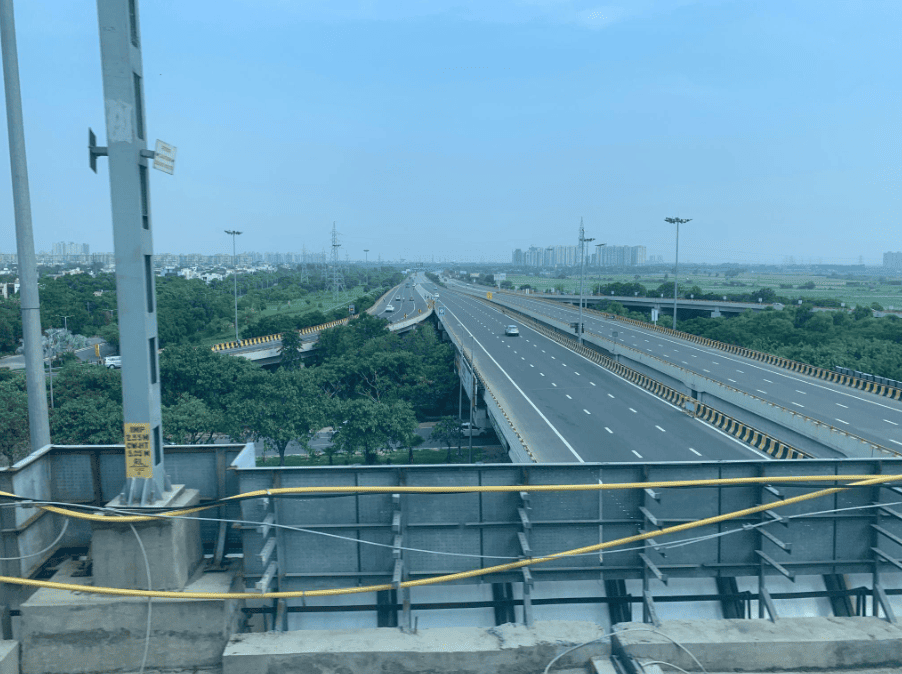
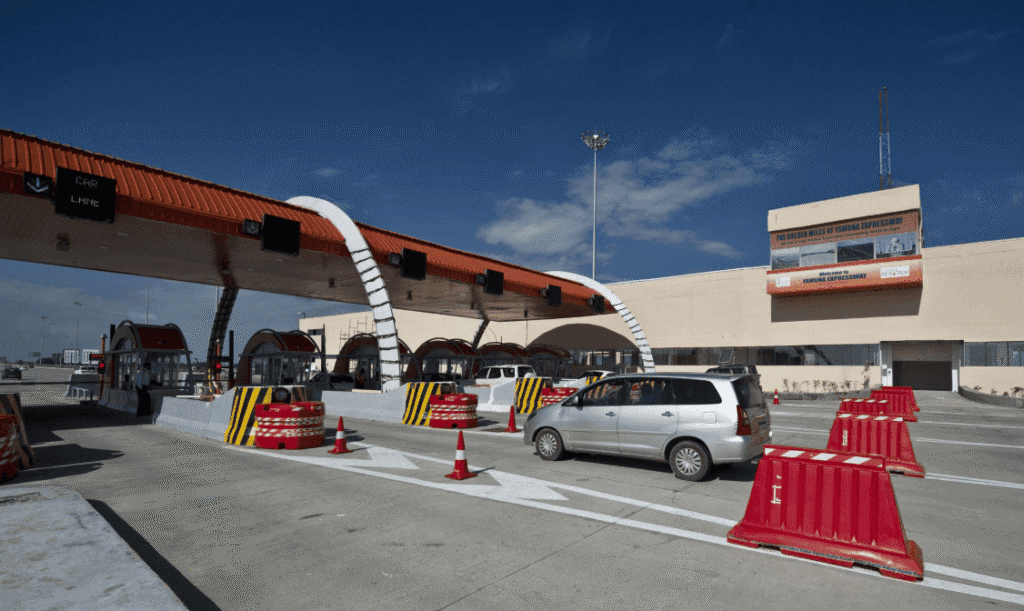
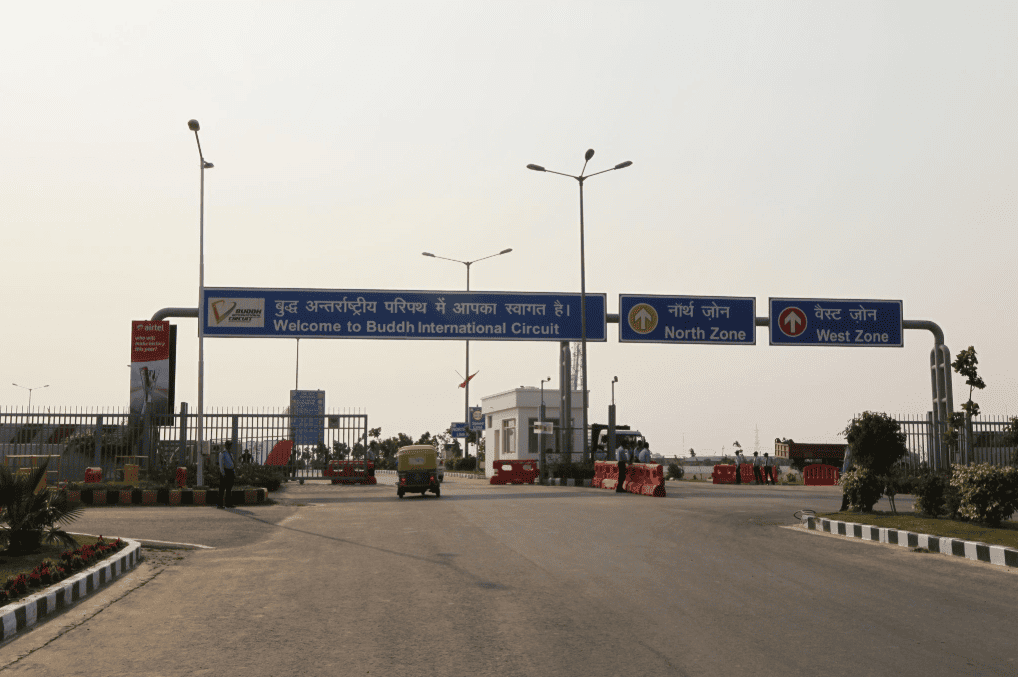
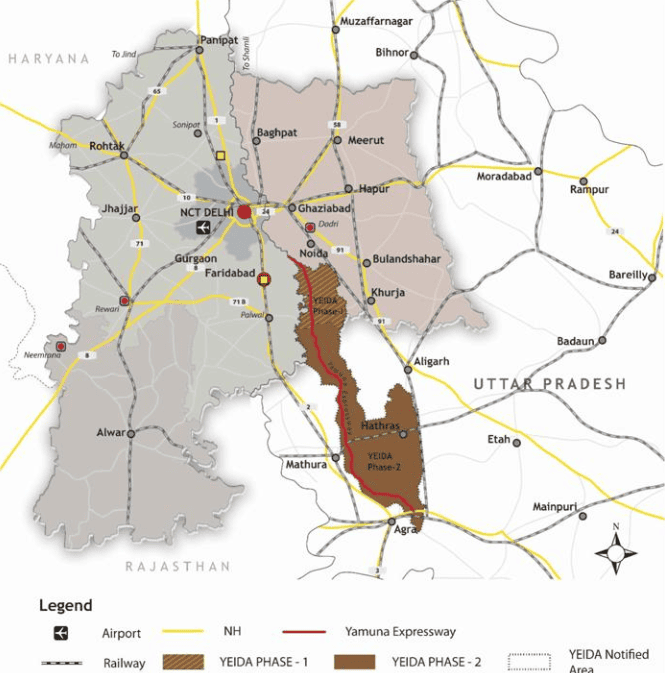
The Yamuna Expressway connects Delhi to Agra and is one of India’s fastest highways.
Initiation
Due to the long travel time from Delhi to Agra, a high-speed corridor was planned to boost tourism (Taj Mahal) and logistics.
Planning
A straight alignment was chosen for this project so that vehicles could maintain high speeds. Land acquisition was a major challenge because many villages were involved.
The project was planned on a PPP (Public Private Partnership) model.
Execution
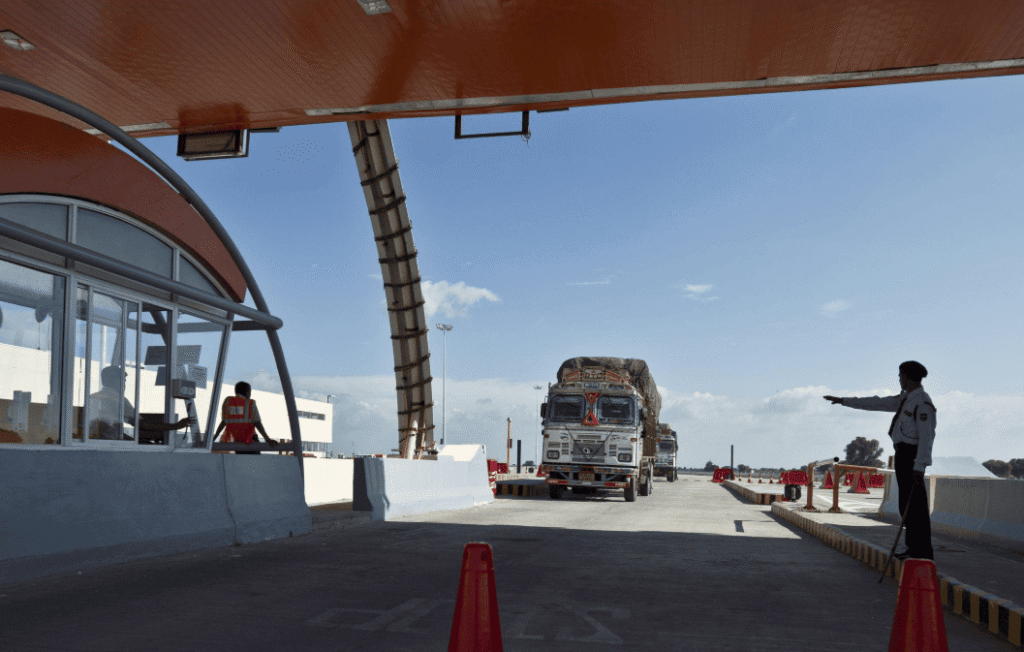
Construction included wide lanes, service roads, and a modern toll system.
High-quality pavement and a drainage system were designed.
Monitoring & Control
Regular inspections and a toll-based monitoring system were used. CCTV and patrol vehicles were deployed for road safety.
Closure
The expressway opened in 2012, reducing the Delhi–Agra travel time from 4–5 hours to 2–3 hours.
Key facts
- Length: 165 km
- Inaugurated: August 9, 2012
- Developer: Jaypee Infratech Ltd. (Jaypee Group)
- Concession period: 36 years
- Project cost: Approx. ₹13,000 crore
Purvanchal Expressway

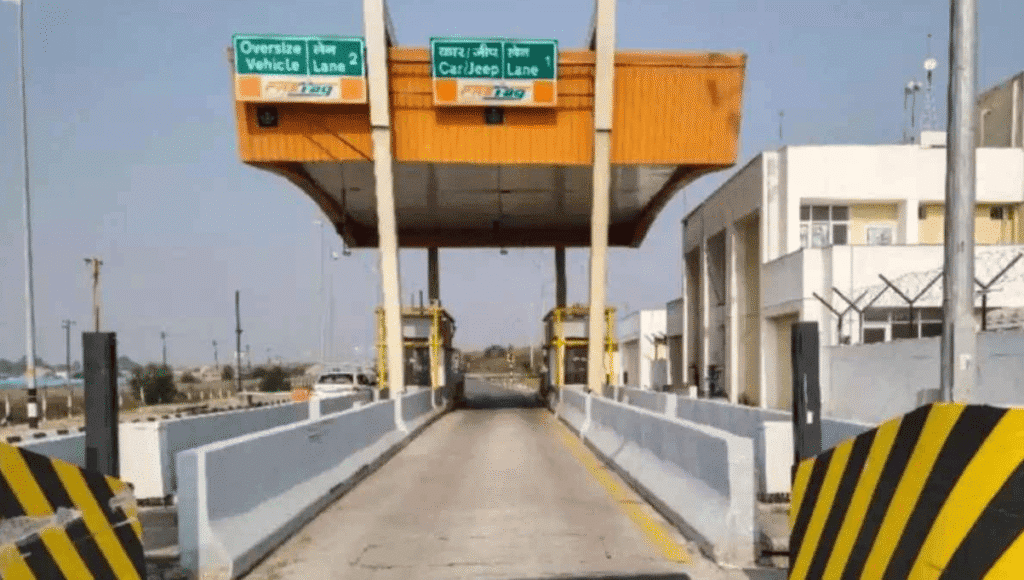
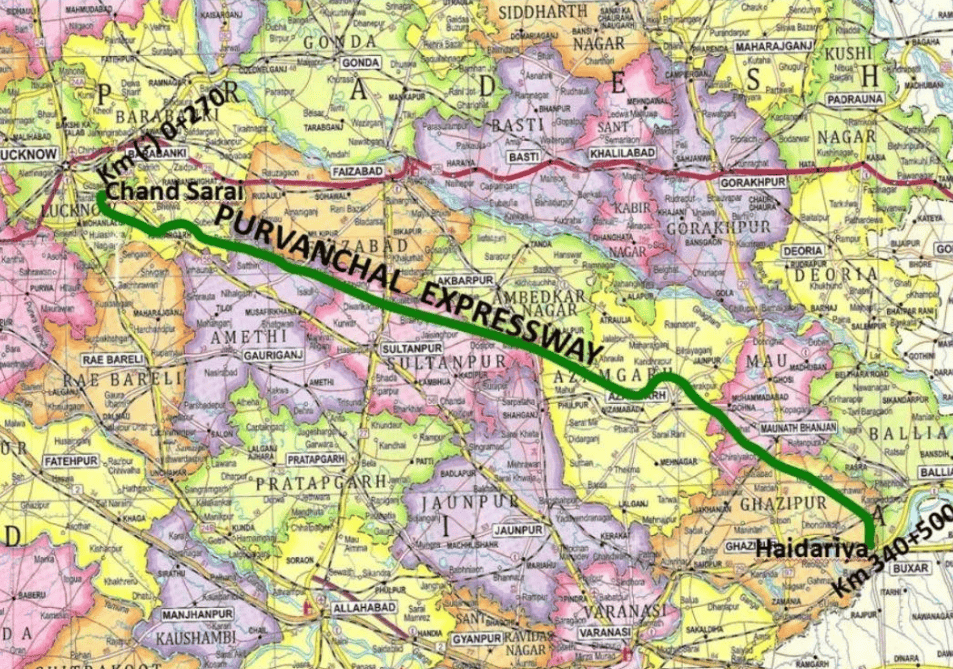
The Purvanchal Expressway is a major infrastructure project in Uttar Pradesh that connects eastern Uttar Pradesh.
Initiation
Due to lack of development in eastern Uttar Pradesh, the government decided to improve connectivity.
Planning
The project was divided into multiple packages to facilitate faster construction.
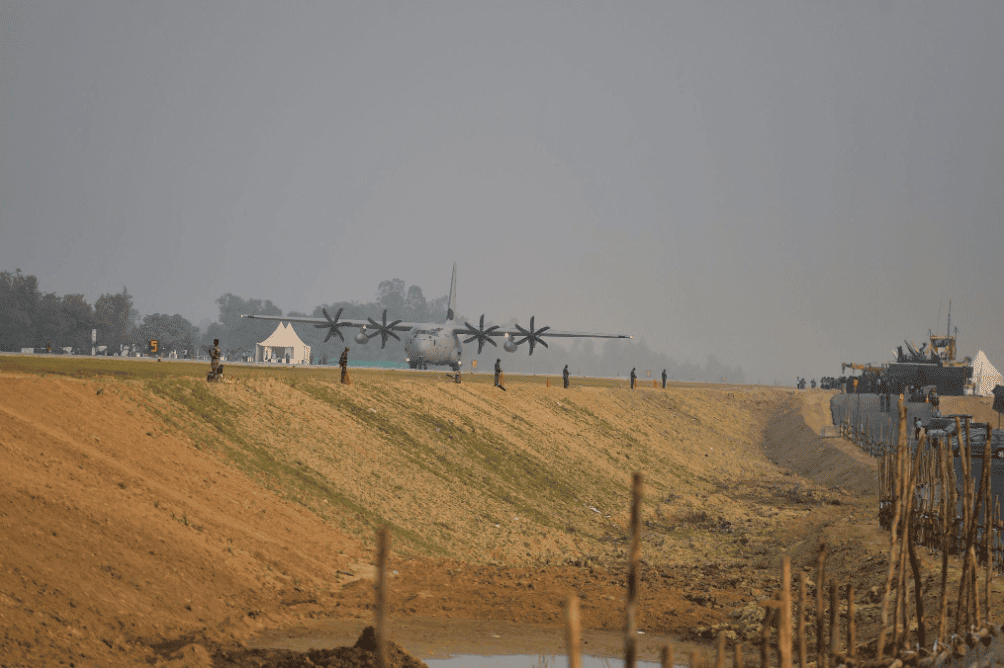
An emergency landing strip (airstrip) was also included in the design, which is important for defense use.
Execution
Modern machinery and fast-track techniques were used in construction.
Despite COVID-19, the project was completed on time.
Monitoring & Control
The state government conducted continuous monitoring and strictly adhered to deadlines.
Quality checks and inspections were conducted on a regular basis.
Closure
The expressway was inaugurated in 2021 and provided a boost to the development of eastern Uttar Pradesh.
Key facts
- Length: ~341 km
- Opened: November 16, 2021
- Cost: ₹22,494 crore (≈ US $2.7 billion)
- Developer: Uttar Pradesh Expressways Industrial Development Authority (UPEIDA)
- Start–End: Chand Sarai (Lucknow) → Haidaria (Ghazipur, 18 km from Bihar border)
Conclusion
In today’s world, infrastructure development serves as a crucial foundation for any nation’s economic progress and overall development. Successfully executing large-scale projects, such as highway and road construction, requires a systematic approach. Therefore, understanding and correctly implementing the project life cycle is essential. It enables the management of a project within an organized framework—from inception through to completion and handover.
Each phase, from initiation to closure, holds distinct importance. In the initial stage, proper feasibility analysis and objective setting help mitigate future challenges. During the planning stage, detailed surveys, budgeting, scheduling, and risk management ensure smoother and more efficient execution. The execution phase demands engineering expertise, effective manpower management, and quality workmanship. Through monitoring and controlling, progress, quality, and costs are continuously tracked, allowing issues to be identified and resolved in a timely manner. Finally, the closure phase ensures the project’s successful completion, documentation, and handover.
Examples such as the Mumbai–Pune Expressway, Yamuna Expressway, and Purvanchal Expressway demonstrate that even massive infrastructure projects can be successfully completed through robust planning, effective management, and continuous monitoring. These expressways have not only reduced travel time but have also boosted trade, employment, and regional development.
A deep understanding of these phases is highly beneficial for civil engineering students, site engineers, and project managers. When each stage is implemented correctly, it leads to superior quality, effective cost control, and timely completion. Ultimately, a well-planned and well-managed highway contributes significantly to strengthening the nation’s development.
About the Author
My name is Susanta Kumar Mohapatra. I am a civil engineering professional with over 11 years of practical experience in the construction and infrastructure sectors. I hold a B.Tech degree in Civil Engineering and an M.E. degree in Construction Management.
Throughout my career, I have worked in various areas such as road construction, bridge projects, quality control, material testing, quantity surveying, project planning, and site management. I am passionate about sharing practical knowledge related to highway engineering, laboratory testing, and construction management with engineers, students, and construction professionals.
I am the founder of CivilGuruHub.com, where I share technical articles, field experiences, laboratory test procedures, guidelines based on IRC and IS codes, and practical construction knowledge related to civil engineering. My aim is to explain civil engineering concepts in simple language and provide useful, reliable information to industry professionals.
You can connect with me through CivilGuruHub.com and my YouTube channel, “The Civil Site,” where I regularly share civil engineering tutorials and practical site knowledge.
Frequently Asked Questions (FAQs)
1. What is a Project Life Cycle?
A Project Life Cycle is a systematic process that defines all stages of a project, from its inception to its completion and handover. It includes phases such as Initiation, Planning, Execution, Monitoring & Controlling, and Closure.
2. How many phases are there in a Project Life Cycle?
There are five main phases in a Project Life Cycle: Initiation, Planning, Execution, Monitoring & Controlling, and Closure. Each phase is crucial for the project’s success.
3. What is the role of the Initiation Phase in a highway project?
During the Initiation Phase, the project’s necessity is identified, and a feasibility study is conducted. This stage defines the project objectives, stakeholders, and basic scope.
4. Why is the Planning Phase considered the most important phase?
The Planning Phase involves detailed project planning, including the Detailed Project Report (DPR), budget, schedule, resource planning, and risk management. Effective planning helps minimize project delays and cost overruns.
5. What activities take place during the Execution Phase of a highway project?
The Execution Phase involves actual construction work, such as earthwork, pavement construction, bridges, culverts, drainage systems, and other infrastructure development activities.
6. What is the primary objective of the Monitoring & Controlling Phase?
The main objective of this phase is to track the project’s progress, quality, cost, and schedule. Any deviations are identified, and corrective actions are taken.
7. What activities are carried out during the Closure Phase?
The Closure Phase involves final inspection, defect rectification, documentation submission, project evaluation, and handing over the project to the client. Subsequently, the project is opened for public use.
8. What are the biggest challenges in highway projects?
Land acquisition, environmental clearance, funding issues, weather conditions, material shortages, and legal disputes are among the major challenges faced by highway projects.
9. Why is it important for civil engineers to understand the Project Life Cycle?
Knowledge of the Project Life Cycle helps civil engineers make better decisions regarding project planning, execution, quality control, and project management.
10. What are some of India’s famous highway projects that serve as successful examples of the Project Life Cycle?
The Mumbai–Pune Expressway, Yamuna Expressway, and Purvanchal Expressway are some of India’s renowned highway projects considered successful examples of robust planning, execution, and monitoring.
11. What is the difference between the Project Life Cycle and Project Management?
The Project Life Cycle defines the various phases of a project, whereas Project Management is the process of effectively managing those phases to ensure the project meets its time, cost, and quality requirements.

Pingback: How to Create WBS: 8 Practical Steps Explained
Pingback: What is Time Management? 10 Proven Project Management Tips